
Overview
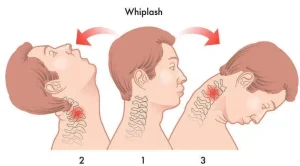
Whiplash is a neck injury that occurs when the head is suddenly jerked backward and then forward, causing strain or sprain of the neck muscles, ligaments, and tendons. It is most commonly associated with rear-end car accidents but can also result from sports injuries, falls, or other sudden impacts.
Whiplash can cause mild to severe neck pain and may affect mobility, posture, and overall quality of life. Early diagnosis and treatment are important for preventing long-term complications.
Symptoms
Symptoms of whiplash may appear within hours or days after the injury and can include:
-
Neck pain and stiffness
-
Reduced range of motion in the neck
-
Shoulder or upper back pain
-
Headaches, often starting at the base of the skull
-
Dizziness or lightheadedness
-
Fatigue
-
Tingling, numbness, or weakness in the arms or hands
-
Jaw pain or temporomandibular joint (TMJ) discomfort
Symptoms can vary in severity and may persist for weeks or months in chronic cases.
Causes
Whiplash is caused by sudden, forceful movement of the head and neck that overstretches or tears soft tissues. Common causes include:
-
Rear-end or side-impact car collisions
-
Sports injuries, especially contact sports
-
Physical assaults or falls
-
Amusement park rides with rapid acceleration and deceleration
The severity of injury depends on the force of impact, posture at the time of injury, and previous neck conditions.
Risk Factors
Certain factors increase the risk of whiplash:
-
Being involved in a car accident, particularly at higher speeds
-
Previous neck injuries
-
Poor posture or weak neck muscles
-
High-impact sports participation
-
Older age, as neck tissues may be less flexible
Complications
While most cases of whiplash improve with treatment, complications can occur:
-
Chronic neck pain and stiffness
-
Headaches or migraines
-
Shoulder or back pain due to compensatory posture
-
Reduced range of motion in the neck
-
Nerve damage causing tingling or weakness in arms
-
Psychological effects, including anxiety or depression
Early medical evaluation and proper management reduce the likelihood of chronic complications.
Prevention
Preventive measures focus on reducing risk during activities prone to causing whiplash:
-
Using proper seat belts and headrests in vehicles
-
Adjusting headrest height to support the head and neck
-
Practicing safe driving and following traffic rules
-
Strengthening neck and shoulder muscles through regular exercise
-
Wearing protective gear during contact sports
-
Maintaining good posture during daily activities
Prompt medical assessment after any neck trauma helps ensure proper treatment and minimizes long-term effects of whiplash.
Advertisement
