
Overview
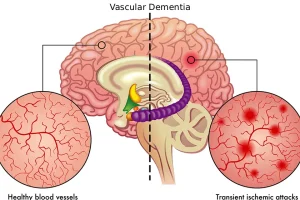
Vascular dementia is a type of dementia caused by reduced blood flow to the brain, leading to damage of brain cells. It often occurs after a stroke or as a result of multiple small strokes, but it can also develop gradually due to chronic narrowing or blockage of blood vessels supplying the brain. Vascular dementia is the second most common cause of dementia after Alzheimer’s disease.
The condition may develop suddenly following a major stroke or progress slowly over time. Symptoms often vary depending on the areas of the brain affected and the extent of blood vessel damage.
Symptoms
Symptoms of vascular dementia can differ widely but commonly include:
-
Problems with memory, attention, and concentration
-
Difficulty planning, organizing, or making decisions
-
Slowed thinking or reduced mental flexibility
-
Confusion or disorientation
-
Trouble with balance or walking
-
Changes in mood, behavior, or personality
-
Depression or apathy
-
Speech or language difficulties in some cases
Symptoms may worsen in a stepwise pattern, particularly after additional strokes.
Causes
Vascular dementia occurs when blood flow to the brain is impaired, depriving brain tissue of oxygen and nutrients. This leads to brain cell damage and cognitive decline.
Common causes include:
-
Ischemic stroke caused by blocked blood vessels
-
Hemorrhagic stroke due to bleeding in the brain
-
Multiple small, silent strokes
-
Chronic narrowing of small blood vessels in the brain
-
Conditions that damage blood vessels, such as atherosclerosis
Risk Factors
Several factors increase the risk of developing vascular dementia:
-
High blood pressure
-
Diabetes
-
High cholesterol levels
-
Smoking
-
Heart disease or irregular heart rhythms
-
Obesity and physical inactivity
-
Older age
-
History of stroke or transient ischemic attack
Complications
Vascular dementia can lead to progressive disability and affect daily functioning:
-
Loss of independence in daily activities
-
Increased risk of falls and injuries
-
Worsening cognitive and memory impairment
-
Emotional and behavioral problems
-
Increased caregiver burden
-
Reduced life expectancy in severe cases
Prevention
Vascular dementia may be partially prevented by reducing risk factors that affect blood vessel health:
-
Controlling blood pressure, blood sugar, and cholesterol levels
-
Quitting smoking
-
Maintaining a healthy diet and regular physical activity
-
Managing heart conditions effectively
-
Seeking prompt treatment for stroke symptoms
-
Regular medical checkups to monitor vascular health
Early management of vascular risk factors plays a key role in reducing the likelihood and progression of vascular dementia.
Advertisement
