
Overview
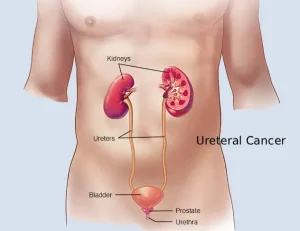
Ureteral cancer is a rare type of cancer that develops in the ureters, the thin tubes that carry urine from the kidneys to the bladder. Most ureteral cancers are urothelial carcinomas, meaning they arise from the cells lining the inside of the ureter. This condition is more common in older adults and is often associated with cancers of the bladder or kidney. Early detection is important, as ureteral cancer can spread to nearby tissues and organs if left untreated.
Symptoms
Symptoms of ureteral cancer may be mild or absent in the early stages and often resemble other urinary tract conditions.
Common symptoms may include:
-
Blood in the urine, which may be visible or detected on testing
-
Pain in the lower back or side
-
Painful or difficult urination
-
Frequent urge to urinate
-
Fatigue or unexplained weight loss in advanced cases
Symptoms can come and go, which may delay diagnosis.
Causes
Ureteral cancer develops when cells lining the ureter undergo abnormal changes and begin to grow uncontrollably. The exact reason these changes occur is not always known.
Possible causes include:
-
Genetic mutations in urothelial cells
-
Long-term irritation or inflammation of the urinary tract
-
Spread of cancerous cells from other parts of the urinary system
In many cases, no specific cause can be identified.
Risk Factors
Certain factors increase the likelihood of developing ureteral cancer.
Risk factors include:
-
Increasing age, especially over 60
-
Smoking, which exposes the urinary tract to harmful chemicals
-
History of bladder or kidney cancer
-
Chronic urinary tract infections or kidney stones
-
Long-term use of certain pain medications
-
Exposure to industrial chemicals such as aromatic amines
-
Genetic conditions such as Lynch syndrome
Having risk factors does not mean a person will definitely develop the disease.
Complications
If not diagnosed and treated early, ureteral cancer can lead to serious complications.
Possible complications include:
-
Obstruction of urine flow, leading to kidney damage
-
Spread of cancer to nearby tissues or distant organs
-
Recurrence of cancer after treatment
-
Reduced kidney function or kidney failure
-
Side effects related to surgery, chemotherapy, or radiation therapy
Ongoing monitoring is often required after treatment.
Prevention
There is no guaranteed way to prevent ureteral cancer, but certain measures may reduce risk and support early detection.
Preventive steps may include:
-
Avoiding tobacco use
-
Staying well hydrated to help flush the urinary system
-
Reducing exposure to harmful workplace chemicals
-
Managing chronic urinary tract conditions promptly
-
Seeking medical evaluation for persistent blood in the urine or urinary symptoms
Regular follow-up and early medical attention can improve outcomes and reduce complications.
Advertisement
