
Overview
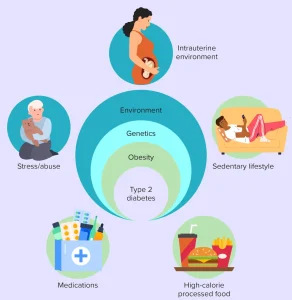
Type 2 diabetes in children is a chronic condition in which the body cannot properly use insulin, a hormone that helps control blood sugar levels. In this condition, the body becomes resistant to insulin or does not produce enough insulin to maintain normal glucose levels. As a result, sugar builds up in the bloodstream instead of entering the cells for energy.
Although type 2 diabetes was once considered a disease that mainly affected adults, it has become increasingly common in children and adolescents in recent years. This rise is largely linked to changes in lifestyle, including reduced physical activity and increased rates of childhood obesity.
Early diagnosis and proper management are important to prevent long-term complications. With appropriate treatment, healthy eating, and regular physical activity, children with type 2 diabetes can manage the condition effectively.
Symptoms
Symptoms of type 2 diabetes in children may develop slowly and sometimes go unnoticed at first.
Common symptoms include:
-
Increased thirst
-
Frequent urination
-
Increased hunger
-
Fatigue or low energy
-
Blurred vision
-
Slow healing of cuts or wounds
Other possible symptoms include:
-
Dark patches of skin, particularly around the neck, armpits, or groin
-
Frequent infections such as skin or yeast infections
-
Unexplained weight changes
Some children may have no noticeable symptoms and the condition may be discovered during routine medical testing.
Causes
Type 2 diabetes develops when the body becomes resistant to insulin or when the pancreas cannot produce enough insulin to keep blood sugar levels under control.
Normally, insulin allows glucose from food to enter the body’s cells and provide energy. In type 2 diabetes, the body’s cells do not respond properly to insulin, which leads to a buildup of glucose in the blood.
The condition usually develops due to a combination of genetic factors and lifestyle influences such as diet, physical activity, and body weight.
Risk factors
Several factors increase the likelihood of type 2 diabetes in children.
-
Being overweight or obese
-
Lack of regular physical activity
-
Family history of type 2 diabetes
-
Having insulin resistance or prediabetes
-
Certain ethnic backgrounds with higher risk of diabetes
Children who have parents or close relatives with type 2 diabetes may have a higher chance of developing the condition.
Complications
If blood sugar levels remain uncontrolled, type 2 diabetes in children can lead to serious health problems over time.
Possible complications include:
-
Heart and blood vessel disease
-
Nerve damage
-
Kidney disease
-
Eye problems that may affect vision
-
Liver problems related to fat buildup in the liver
Managing blood sugar levels early can help reduce the risk of these complications later in life.
Prevention
Many cases of type 2 diabetes in children can be prevented through healthy lifestyle habits.
-
Encourage regular physical activity and active play
-
Maintain a balanced diet rich in fruits, vegetables, and whole grains
-
Limit sugary drinks and highly processed foods
-
Promote healthy body weight through proper nutrition and exercise
-
Schedule regular medical checkups, especially if the child has risk factors
Healthy lifestyle habits adopted during childhood can help reduce the risk of type 2 diabetes and support overall well-being.
Advertisement
