
Overview
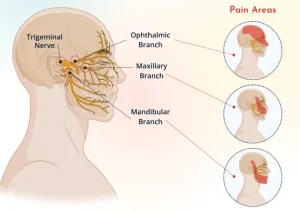
Trigeminal neuralgia is a chronic pain condition that affects the trigeminal nerve, which carries sensation from the face to the brain. This nerve is responsible for transmitting signals related to touch, pain, and temperature from different areas of the face.
People with trigeminal neuralgia experience sudden, severe facial pain that may feel like an electric shock. The pain usually occurs on one side of the face and may be triggered by simple activities such as talking, chewing, brushing teeth, or touching the face. The condition can significantly affect daily life, but treatments are available to help manage symptoms.
Symptoms
The main symptom of trigeminal neuralgia is intense facial pain that occurs in sudden attacks.
Common symptoms include:
-
Sharp, stabbing, or electric shock like facial pain
-
Pain affecting one side of the face
-
Episodes of pain lasting from a few seconds to several minutes
-
Pain triggered by everyday activities such as eating, speaking, or touching the face
-
Periods of repeated attacks followed by pain free intervals
-
Sensitivity in certain areas of the face that can trigger pain
Over time, the attacks may become more frequent and more intense.
Causes
Trigeminal neuralgia usually occurs when the trigeminal nerve becomes compressed or irritated. This pressure interferes with normal nerve signals and leads to episodes of intense pain.
Common causes include:
-
A blood vessel pressing against the trigeminal nerve
-
Damage to the nerve due to aging
-
Neurological conditions such as multiple sclerosis
-
Tumors pressing on the nerve
-
Facial injuries or trauma
In some cases, the exact cause cannot be identified.
Risk factors
Certain factors may increase the risk of developing trigeminal neuralgia.
These include:
-
Age over 50 years
-
Female gender
-
History of multiple sclerosis
-
High blood pressure
-
Family history of nerve disorders
The condition is more common in older adults but can occur at any age.
Complications
Although trigeminal neuralgia does not usually cause permanent physical damage, it can lead to several complications due to the severity of pain.
Possible complications include:
-
Difficulty eating or speaking because of pain
-
Anxiety or fear of triggering pain attacks
-
Sleep disturbances
-
Depression related to chronic pain
-
Reduced quality of life
Proper treatment can help control symptoms and improve daily functioning.
Prevention
There is no guaranteed way to prevent trigeminal neuralgia, especially when it is caused by nerve compression or underlying neurological conditions. However, managing overall health may help reduce the risk of nerve related problems.
Helpful preventive steps include:
-
Managing blood pressure and cardiovascular health
-
Seeking early treatment for neurological conditions
-
Avoiding facial injuries when possible
-
Maintaining regular medical checkups
Early diagnosis and appropriate treatment can help control symptoms and reduce the impact of trigeminal neuralgia on daily life.
Advertisement
