
Overview
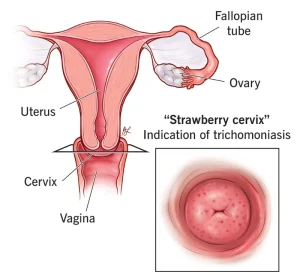
Trichomoniasis is a common sexually transmitted infection caused by a parasite called Trichomonas vaginalis. The infection mainly affects the genital tract and is most commonly seen in women, although men can also become infected.
Many people with trichomoniasis do not experience symptoms, which means the infection can remain unnoticed and spread to others through sexual contact. When symptoms occur, they may cause irritation and discomfort in the genital area. Trichomoniasis is treatable with medication, and early diagnosis helps prevent complications and transmission.
Symptoms
Symptoms of trichomoniasis may appear within several days to weeks after infection, but many people remain symptom free.
Common symptoms in women include:
-
Vaginal itching or irritation
-
Burning sensation during urination
-
Unusual vaginal discharge that may be yellow, green, or frothy
-
Strong or unpleasant vaginal odor
-
Discomfort during sexual intercourse
Common symptoms in men include:
-
Irritation or itching inside the penis
-
Burning after urination or ejaculation
-
Mild discharge from the penis
Symptoms can vary in severity and may sometimes be mistaken for other infections.
Causes
Trichomoniasis is caused by the parasite Trichomonas vaginalis. The parasite spreads through sexual contact with an infected person.
Transmission usually occurs during vaginal intercourse. The parasite infects the genital tract, including the vagina, urethra, and sometimes the prostate in men. Because many people do not have symptoms, they may unknowingly pass the infection to their sexual partners.
Risk factors
Certain factors may increase the likelihood of developing trichomoniasis.
These include:
-
Having multiple sexual partners
-
Unprotected sexual activity
-
Previous history of sexually transmitted infections
-
Having a sexual partner who is infected
The infection can affect individuals of any sexually active age group.
Complications
If left untreated, trichomoniasis can lead to several health problems.
Possible complications include:
-
Increased risk of contracting or spreading other sexually transmitted infections
-
Pelvic inflammation in women
-
Pregnancy complications such as premature birth or low birth weight
-
Persistent genital irritation and discomfort
Early treatment significantly reduces the risk of these complications.
Prevention
Preventive measures focus on safe sexual practices and early detection.
Helpful steps include:
-
Use condoms consistently during sexual activity
-
Limit the number of sexual partners
-
Get regular screening for sexually transmitted infections
-
Ensure both partners receive treatment if infection is diagnosed
-
Avoid sexual contact until treatment is completed
Practicing safe sex and maintaining open communication with partners can help reduce the risk of trichomoniasis.
Advertisement
