
Overview
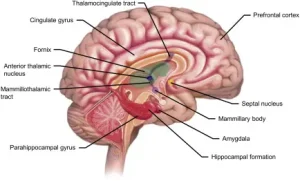
Transient global amnesia is a sudden, temporary episode of memory loss that cannot be explained by common neurological conditions such as stroke or epilepsy. During an episode, a person may suddenly become unable to form new memories and may also have difficulty recalling recent events. Despite the memory loss, the person usually remains conscious, alert, and able to recognize familiar people.
This condition typically lasts for several hours and then resolves on its own, with memory gradually returning. Although the experience can be frightening, transient global amnesia is generally considered harmless and rarely causes long term complications.
Symptoms
The main feature of transient global amnesia is sudden memory loss that occurs without other major neurological problems.
Common symptoms include:
-
Sudden inability to remember recent events
-
Difficulty forming new memories
-
Repeatedly asking the same questions
-
Confusion about time or location
-
Retention of personal identity
-
Normal ability to perform routine tasks
-
Headache or mild dizziness in some cases
Symptoms usually last a few hours and gradually improve as memory returns.
Causes
The exact cause of transient global amnesia is not fully understood. Researchers believe it may be related to temporary changes in blood flow or activity in the part of the brain responsible for memory, particularly the hippocampus.
Episodes are sometimes triggered by physical or emotional events such as sudden immersion in cold or hot water, intense exercise, emotional stress, or medical procedures. However, in many cases no clear cause can be identified.
Risk factors
Certain factors may increase the likelihood of experiencing transient global amnesia:
-
Middle or older age, particularly between 50 and 70 years
-
History of migraines
-
Sudden physical exertion
-
Emotional stress or anxiety
-
Sudden exposure to cold or hot water
These factors may temporarily affect brain function related to memory.
Complications
Transient global amnesia usually resolves without long term complications. However, the episode itself may cause concern and confusion for both the affected person and their family.
Possible concerns include:
-
Temporary anxiety or distress during the episode
-
Difficulty recalling events that occurred during the episode
-
Rare recurrence of similar episodes
Most people recover completely without lasting neurological problems.
Prevention
Because the exact cause of transient global amnesia is not fully understood, there is no guaranteed way to prevent it. However, certain steps may help reduce possible triggers.
Helpful measures include:
-
Manage stress effectively
-
Maintain good cardiovascular health
-
Seek medical advice for frequent migraines
-
Avoid sudden extreme physical exertion when possible
-
Maintain regular health checkups
Early medical evaluation during a sudden episode of memory loss is important to rule out more serious conditions such as stroke.
Advertisement
