
Overview
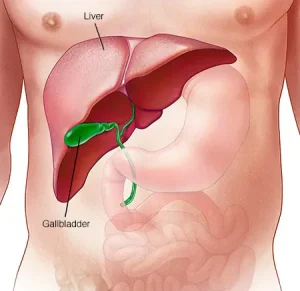
Toxic hepatitis is inflammation of the liver caused by exposure to harmful substances. These substances may include certain medications, chemicals, alcohol, herbal supplements, or industrial toxins. When the liver processes these substances, they can damage liver cells and lead to inflammation.
The liver plays an essential role in detoxifying harmful substances from the body. However, excessive exposure to toxins can overwhelm the liver’s ability to process them safely. Toxic hepatitis can develop suddenly after exposure to a large amount of a toxin or gradually with long term exposure to smaller amounts.
Symptoms
Symptoms of toxic hepatitis may appear within hours or days after exposure to harmful substances, although in some cases they develop gradually.
Common symptoms include:
-
Yellowing of the skin and eyes
-
Abdominal pain, especially in the upper right side
-
Nausea and vomiting
-
Fatigue and weakness
-
Loss of appetite
-
Dark colored urine
-
Pale or clay colored stools
-
Itching of the skin
-
Fever in some cases
Severe cases may lead to confusion, swelling, or signs of liver failure.
Causes
Toxic hepatitis occurs when the liver becomes inflamed due to exposure to substances that damage liver cells. These substances can disrupt normal liver function and lead to inflammation or cell death.
Common causes include:
-
Certain medications taken in high doses
-
Long term use of some prescription or over the counter drugs
-
Excessive alcohol consumption
-
Exposure to industrial chemicals
-
Toxic mushrooms
-
Certain herbal or dietary supplements
In some individuals, even normal doses of certain medications may cause liver injury due to individual sensitivity.
Risk factors
Several factors may increase the risk of developing toxic hepatitis:
-
Taking multiple medications at the same time
-
Long term or excessive alcohol consumption
-
Existing liver disease
-
Exposure to toxic chemicals at work
-
Use of unregulated herbal supplements
-
Older age, which may affect how the liver processes toxins
These factors may make the liver more vulnerable to damage.
Complications
If toxic hepatitis is severe or untreated, it may lead to serious complications affecting liver function.
Possible complications include:
-
Chronic liver inflammation
-
Liver scarring known as cirrhosis
-
Liver failure
-
Accumulation of toxins in the bloodstream
-
Need for liver transplantation in severe cases
Prompt diagnosis and removal of the harmful substance are essential to prevent long term damage.
Prevention
Preventive measures mainly focus on reducing exposure to substances that can harm the liver.
Helpful preventive steps include:
-
Use medications only as prescribed by a healthcare professional
-
Avoid taking more than the recommended dosage of medications
-
Limit or avoid alcohol consumption
-
Be cautious when using herbal or dietary supplements
-
Follow safety guidelines when working with chemicals
-
Keep medications stored safely to prevent accidental overdose
Maintaining healthy habits and using medications responsibly can help protect the liver and reduce the risk of toxic hepatitis.
Advertisement
