
Overview
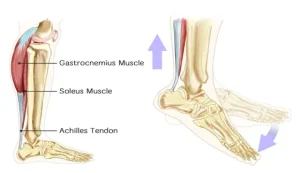
Toe walking is a walking pattern in which a child walks on the balls of the feet without the heels touching the ground. It is common in toddlers who are learning to walk and often resolves on its own as the child grows and develops a normal walking pattern.
In some children, toe walking may continue beyond the early walking years. Persistent toe walking can sometimes be associated with muscle tightness, neurological conditions, or developmental disorders. However, in many cases no specific cause is identified, and it is referred to as idiopathic toe walking.
Symptoms
The main characteristic of toe walking is walking on the toes or the front part of the feet. Other signs may include:
-
Walking primarily on the balls of the feet
-
Difficulty placing the heels on the ground
-
Tightness in the calf muscles or Achilles tendon
-
Frequent tripping or balance issues
-
Reduced flexibility in the ankles
-
Preference for toe walking even when reminded to walk normally
Some children may occasionally walk normally but revert to toe walking during play or activity.
Causes
Toe walking can occur for several reasons. In many toddlers, it is simply part of normal development as they learn to balance and coordinate their movements.
Possible causes include:
-
Habitual or idiopathic toe walking with no clear medical cause
-
Tight calf muscles or shortened Achilles tendon
-
Neurological conditions affecting muscle control
-
Developmental disorders that influence motor skills
-
Muscle disorders affecting strength or coordination
A medical evaluation may be needed if toe walking continues beyond early childhood.
Risk factors
Certain factors may increase the likelihood of persistent toe walking:
-
Family history of toe walking
-
Premature birth
-
Muscle tightness in the lower legs
-
Developmental delays
-
Neurological or muscular conditions
Children with these factors may require closer monitoring of their walking patterns.
Complications
If toe walking continues for a long period, it may lead to complications affecting movement and posture.
Possible complications include:
-
Tightening of the calf muscles
-
Shortening of the Achilles tendon
-
Balance or coordination problems
-
Foot or ankle discomfort
-
Abnormal walking patterns that persist into later childhood
Early evaluation can help prevent long term movement problems.
Prevention
Toe walking during early childhood is often a normal developmental phase and may not require prevention. However, certain steps may help encourage a normal walking pattern:
-
Encourage children to walk with their heels touching the ground
-
Provide supportive and comfortable footwear
-
Promote activities that stretch and strengthen leg muscles
-
Monitor walking patterns as the child grows
-
Seek medical advice if toe walking continues beyond early childhood or is associated with other developmental concerns
Early guidance from healthcare professionals can help ensure healthy walking development in children.
Advertisement
