
Overview
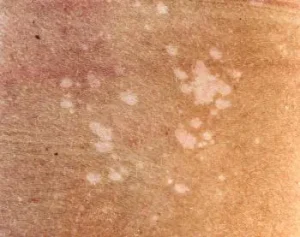
Tinea versicolor is a common fungal skin infection that causes small patches of skin to become lighter or darker than the surrounding area. The condition is caused by an overgrowth of a type of yeast that normally lives on the skin. When this yeast grows excessively, it interferes with the normal pigmentation of the skin.
The condition most often affects the chest, back, shoulders, and upper arms but can also appear on the neck or face. Tinea versicolor is more common in adolescents and young adults, particularly in warm and humid climates. Although it is not contagious and usually harmless, it can cause noticeable changes in skin color that may take time to return to normal after treatment.
Symptoms
The main symptom of tinea versicolor is patches of skin that differ in color from the surrounding skin.
Common symptoms include:
-
Patches of skin that may be lighter, darker, pink, or brown
-
Mild itching in the affected areas
-
Dry or slightly scaly skin
-
Patches that become more noticeable after sun exposure
-
Areas that may gradually spread or merge together
These patches often appear on the chest, back, shoulders, and upper arms.
Causes
Tinea versicolor occurs when the yeast that normally lives on the skin grows excessively. This overgrowth disrupts the normal production of skin pigment and leads to discolored patches.
The yeast thrives in warm and oily environments. When conditions allow it to multiply rapidly, it can affect the outer layer of the skin and create visible changes in skin color.
Risk factors
Several factors may increase the risk of developing tinea versicolor:
-
Living in warm or humid climates
-
Excessive sweating
-
Oily skin
-
Hormonal changes during adolescence
-
Weakened immune system
-
Use of oily skin products
-
Wearing tight or non breathable clothing
People with these factors may experience recurring episodes of the infection.
Complications
Tinea versicolor usually does not cause serious medical complications. However, certain issues may occur if the condition persists or returns frequently.
Possible complications include:
-
Persistent changes in skin color
-
Recurrence of the infection after treatment
-
Cosmetic concerns due to visible patches
-
Emotional discomfort related to skin appearance
Even after the infection is treated, the skin color may take several weeks or months to return to normal.
Prevention
Certain measures can help reduce the risk of developing tinea versicolor or prevent it from recurring:
-
Keep the skin clean and dry
-
Avoid excessive heat and sweating when possible
-
Wear loose and breathable clothing
-
Avoid heavy or oily skin products
-
Use antifungal shampoos or cleansers if recommended by a healthcare provider
-
Maintain good personal hygiene
These preventive steps can help control the growth of yeast on the skin and reduce the chances of recurrence.
Advertisement
