
Overview
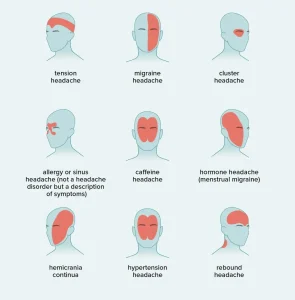
Thunderclap headaches are sudden and extremely severe headaches that reach maximum intensity within seconds to a minute. The pain is often described as the worst headache a person has ever experienced. Because of their sudden onset and intensity, thunderclap headaches can signal a serious underlying medical condition and require immediate medical evaluation.
These headaches may occur on their own or as a symptom of a life threatening condition involving the brain or blood vessels. In some cases, no clear cause is found, but doctors usually perform urgent tests to rule out dangerous conditions such as bleeding in the brain.
Symptoms
The primary feature of a thunderclap headache is its sudden and intense onset. Symptoms may include:
-
Severe head pain that begins suddenly and peaks within seconds
-
Pain that may affect the entire head or a specific area
-
Nausea or vomiting
-
Sensitivity to light
-
Neck stiffness
-
Blurred or double vision
-
Confusion or difficulty concentrating
-
Weakness or numbness in parts of the body
-
Loss of consciousness in severe cases
The pain often comes without warning and may occur during rest, physical activity, or emotional stress.
Causes
Thunderclap headaches can have several possible causes. Some are serious medical emergencies that require immediate treatment.
Possible causes include:
-
Bleeding in the brain
-
Ruptured brain aneurysm
-
Sudden narrowing of brain blood vessels
-
Blood clot in the brain
-
Severe high blood pressure
-
Head injury
-
Spinal fluid leak
-
Certain infections affecting the brain
In some cases, doctors may not identify a specific cause even after testing, but careful evaluation is essential to rule out dangerous conditions.
Risk factors
Certain factors may increase the likelihood of experiencing thunderclap headaches:
-
High blood pressure
-
Smoking
-
Family history of brain aneurysms
-
Blood vessel disorders
-
Use of certain medications that affect blood vessels
-
Physical exertion or intense emotional stress
-
Pregnancy or postpartum changes
People with vascular conditions or previous brain injuries may have a higher risk.
Complications
Complications depend largely on the underlying cause of the thunderclap headache. If the headache is related to a serious brain condition, complications may include:
-
Stroke
-
Brain damage due to bleeding
-
Seizures
-
Permanent neurological problems
-
Loss of consciousness
-
Life threatening complications if untreated
Because of these risks, any sudden and severe headache should be treated as a medical emergency.
Prevention
Preventing thunderclap headaches mainly involves managing underlying risk factors and medical conditions that can affect blood vessels or brain health.
Helpful preventive measures include:
-
Maintain healthy blood pressure levels
-
Avoid smoking and limit alcohol intake
-
Manage stress effectively
-
Follow medical treatment for vascular conditions
-
Attend regular health checkups
-
Seek medical care immediately for unusual or severe headaches
Early recognition and prompt medical evaluation can help identify serious causes and prevent severe complications.
Request an appointment
Advertisement
