
Overview
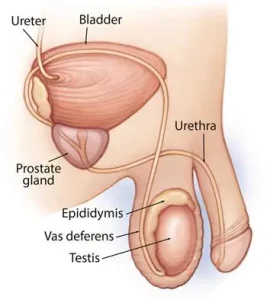
Testicular cancer is a type of cancer that develops in the testicles, which are the male reproductive glands located in the scrotum. The testicles produce sperm and the hormone testosterone. Although testicular cancer is relatively uncommon compared with other cancers, it is the most common cancer in males between the ages of 15 and 35.
This cancer usually begins in the germ cells, which are the cells responsible for producing sperm. Testicular cancer is highly treatable, especially when detected early. In many cases, treatment is successful even if the cancer has spread beyond the testicle.
Symptoms
Testicular cancer often begins with noticeable changes in one testicle. Some men may not experience pain, which is why regular self-examination is important.
Common symptoms include:
-
A lump or swelling in either testicle
-
A feeling of heaviness in the scrotum
-
Dull ache in the lower abdomen or groin
-
Sudden buildup of fluid in the scrotum
-
Pain or discomfort in a testicle or the scrotum
-
Enlargement or tenderness of breast tissue in rare cases
-
Back pain if the cancer has spread
Any persistent change in the size, shape, or feeling of a testicle should be evaluated by a healthcare professional.
Causes
The exact cause of testicular cancer is not fully understood. It occurs when cells in the testicle develop abnormal changes in their DNA. These abnormal cells grow and multiply uncontrollably, forming a tumor.
Researchers believe that several biological and environmental factors may contribute to the development of testicular cancer. However, many men who develop this condition do not have clear risk factors.
Risk Factors
Certain factors may increase the risk of developing testicular cancer.
Risk factors include:
-
Undescended testicle, a condition where one or both testicles fail to move into the scrotum before birth
-
Family history of testicular cancer
-
Previous history of cancer in one testicle
-
Abnormal testicle development
-
Being between the ages of 15 and 35
-
Certain genetic conditions
Having one or more risk factors does not necessarily mean a person will develop the disease.
Complications
If not treated promptly, testicular cancer can spread to other parts of the body. Early diagnosis greatly reduces the risk of complications.
Possible complications include:
-
Spread of cancer to lymph nodes, lungs, liver, or brain
-
Fertility problems due to damage to sperm-producing cells
-
Hormonal imbalance
-
Side effects from treatments such as surgery, chemotherapy, or radiation therapy
With proper treatment and follow-up care, many men recover completely.
Prevention
There is no guaranteed way to prevent testicular cancer, but early detection can significantly improve treatment outcomes.
Helpful preventive measures include:
-
Performing regular testicular self-examinations to detect lumps or changes early
-
Seeking medical attention for any swelling, pain, or unusual changes in the testicles
-
Attending regular health checkups, especially for individuals with risk factors
-
Monitoring individuals who had undescended testicles in childhood
Early diagnosis and prompt treatment are key factors in achieving a high cure rate for testicular cancer.
Request an appointment
Advertisement
