
Overview
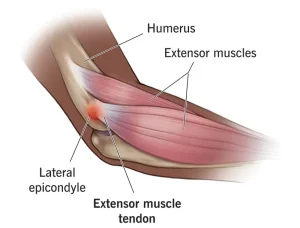
Tennis elbow is a painful condition that occurs when the tendons in the elbow become inflamed due to overuse. It is medically known as lateral epicondylitis. The condition affects the tendons that connect the forearm muscles to the outer part of the elbow.
Despite its name, tennis elbow does not only affect tennis players. It commonly occurs in people who repeatedly use their wrists and arms during activities such as lifting, typing, painting, or using tools. Repeated strain on the forearm muscles can cause tiny tears in the tendons, leading to pain and inflammation.
Tennis elbow usually develops gradually and can affect daily activities that involve gripping, lifting, or twisting the arm.
Symptoms
Symptoms of tennis elbow mainly affect the outer part of the elbow and may spread to the forearm or wrist.
Common symptoms include:
-
Pain or burning on the outer part of the elbow
-
Weak grip strength
-
Pain that worsens when lifting objects
-
Discomfort when shaking hands or turning a doorknob
-
Pain when extending the wrist or forearm
-
Tenderness around the elbow joint
Symptoms may start mildly and gradually worsen with continued activity.
Causes
Tennis elbow develops due to repeated stress on the muscles and tendons of the forearm.
Possible causes include:
-
Repetitive wrist or arm movements
-
Overuse of forearm muscles during sports
-
Repeated gripping or lifting activities
-
Improper technique during sports such as tennis or racquet sports
-
Frequent use of tools such as screwdrivers or paintbrushes
These repeated movements can cause small tears in the tendon that attaches the forearm muscles to the elbow.
Risk Factors
Certain factors increase the likelihood of developing tennis elbow.
Risk factors include:
-
Playing racquet sports such as tennis or badminton
-
Jobs involving repetitive arm motions, such as carpentry or plumbing
-
Age between 30 and 50 years
-
Poor technique during sports activities
-
Using heavy tools for long periods
People whose work involves frequent wrist extension or gripping are more likely to develop this condition.
Complications
If tennis elbow is not properly treated, the condition may lead to ongoing problems.
Possible complications include:
-
Chronic elbow pain
-
Reduced grip strength
-
Difficulty performing daily tasks
-
Persistent tendon damage
Long-term strain on the tendon can make recovery slower and more difficult.
Prevention
Several steps can help reduce the risk of developing tennis elbow.
Preventive measures include:
-
Warming up before sports or physical activities
-
Strengthening forearm and wrist muscles
-
Using proper technique during sports or work tasks
-
Taking regular breaks during repetitive activities
-
Using appropriate equipment and tools
-
Avoiding sudden increases in activity intensity
Proper conditioning and ergonomic practices can help protect the tendons and reduce the likelihood of tennis elbow.
Advertisement
