
Overview
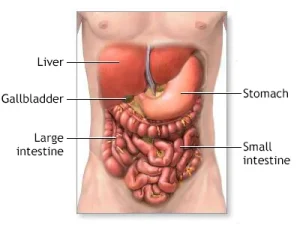
Tapeworm infection is a parasitic intestinal condition caused by adult tapeworms living in the digestive tract. Humans usually become infected by consuming undercooked or raw meat that contains tapeworm larvae or by ingesting contaminated food or water. Several species of tapeworms can infect humans, and the severity of illness depends on the type of tapeworm and the location of infection.
Many people with tapeworm infection have mild or no symptoms, but some may develop nutritional deficiencies or other health problems if the infection persists. With proper diagnosis and treatment, most tapeworm infections can be effectively cured.
Symptoms
Symptoms of tapeworm infection can vary widely and may not appear immediately.
Common symptoms include:
-
Abdominal pain or discomfort
-
Diarrhea or constipation
-
Nausea
-
Increased or decreased appetite
-
Weight loss
-
Fatigue or weakness
-
Vitamin or mineral deficiencies
-
Passage of tapeworm segments in stool
In certain types of infection, larvae may migrate to other tissues and cause more serious symptoms.
Causes
Tapeworm infection occurs when tapeworm eggs or larvae enter the body and develop into adult worms.
Common causes include:
-
Eating raw or undercooked meat, especially pork, beef, or fish
-
Drinking contaminated water
-
Poor food hygiene or sanitation
-
Accidental ingestion of tapeworm eggs from contaminated surfaces
-
Close contact with infected individuals in unsanitary conditions
Once inside the body, the larvae attach to the intestinal wall and grow into adult tapeworms.
Risk Factors
Certain factors increase the risk of developing a tapeworm infection.
Risk factors include:
-
Consuming raw or undercooked meat
-
Living in or traveling to areas with poor sanitation
-
Lack of access to clean water
-
Poor hand hygiene
-
Exposure to contaminated soil or food
-
Close contact with infected animals or humans
Risk is higher in regions where food safety standards are limited.
Complications
If left untreated, tapeworm infections can lead to complications, especially with certain species.
Possible complications include:
-
Nutritional deficiencies and anemia
-
Intestinal blockage
-
Gallbladder or appendix inflammation
-
Cysts forming in organs such as the brain, eyes, or muscles
-
Seizures or neurological problems in severe cases
-
Chronic abdominal discomfort
Complications are more likely when larvae migrate outside the intestines.
Prevention
Tapeworm infections are largely preventable through proper hygiene and food safety practices.
Preventive measures include:
-
Thoroughly cooking meat before consumption
-
Washing hands with soap and water before eating and after using the toilet
-
Drinking clean, treated water
-
Washing fruits and vegetables thoroughly
-
Avoiding raw or undercooked meat and fish
-
Practicing good sanitation and hygiene
-
Regular veterinary care for pets and livestock
Awareness of food safety and early treatment of infection can significantly reduce the risk of complications from tapeworm infection.
Advertisement
