
Overview
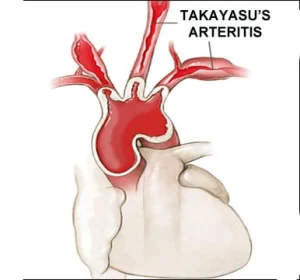
Takayasu’s arteritis is a rare, chronic inflammatory disease that affects large blood vessels, especially the aorta and its major branches. The inflammation causes the vessel walls to thicken, narrow, or become blocked, which can reduce blood flow to vital organs.
The condition most commonly affects young women, particularly in early adulthood, but it can occur in people of any age or gender. Takayasu’s arteritis often develops gradually and may go through periods of flare-ups and remission. Early diagnosis and treatment are important to prevent long-term complications.
Symptoms
Symptoms of Takayasu’s arteritis vary depending on the stage of the disease and the blood vessels involved.
Early-stage symptoms may include:
-
Fatigue
-
Fever
-
Unintentional weight loss
-
Muscle and joint pain
-
Night sweats
As the disease progresses, symptoms related to reduced blood flow may develop:
-
Weak or absent pulse in one or both arms
-
Differences in blood pressure between arms
-
Arm or leg pain during activity
-
Dizziness or fainting
-
Headaches
-
Vision problems
-
Chest pain or shortness of breath
-
High blood pressure
Symptoms can be subtle at first and may take time to recognize.
Causes
The exact cause of Takayasu’s arteritis is not fully understood. It is considered an autoimmune condition in which the immune system mistakenly attacks the blood vessel walls, leading to inflammation and damage.
Possible contributing factors include:
-
Abnormal immune system response
-
Genetic susceptibility
-
Environmental triggers, such as infections
There is no clear evidence that the condition is inherited or contagious.
Risk Factors
Certain factors increase the likelihood of developing Takayasu’s arteritis.
Risk factors include:
-
Female sex
-
Onset typically before 40 years of age
-
Genetic predisposition
-
Certain ethnic backgrounds, with higher prevalence in parts of Asia
Most people diagnosed do not have identifiable risk factors beyond age and sex.
Complications
If not properly managed, Takayasu’s arteritis can lead to serious complications due to reduced blood flow and vessel damage.
Possible complications include:
-
High blood pressure
-
Stroke
-
Heart attack
-
Heart failure
-
Narrowing or blockage of major arteries
-
Aortic aneurysm
-
Organ damage due to poor blood supply
Long-term monitoring is often required to manage disease activity and prevent complications.
Prevention
There is no known way to prevent Takayasu’s arteritis, as the exact cause is unknown. However, early detection and ongoing management can help reduce complications and improve outcomes.
Preventive and supportive measures include:
-
Regular medical follow-up and imaging as advised
-
Prompt evaluation of unexplained fatigue, limb pain, or pulse changes
-
Managing blood pressure and cardiovascular risk factors
-
Adhering to prescribed treatments to control inflammation
-
Maintaining a healthy lifestyle to support overall vascular health
With appropriate treatment and monitoring, many individuals with Takayasu’s arteritis are able to manage symptoms and maintain a good quality of life.
Advertisement
