
Overview
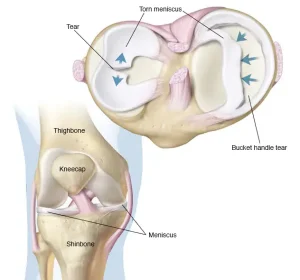
A swollen knee occurs when excess fluid accumulates in or around the knee joint, causing the knee to appear enlarged and sometimes painful. This condition is often referred to as knee effusion or water on the knee. Swelling may develop suddenly after an injury or gradually due to underlying medical conditions.
The knee joint contains structures such as bones, cartilage, ligaments, and fluid-filled sacs that help the joint move smoothly. When the knee becomes injured, inflamed, or infected, the body may produce extra fluid as part of the inflammatory response, leading to swelling.
A swollen knee can affect people of all ages and may range from mild discomfort to severe pain that limits movement.
Symptoms
Symptoms of a swollen knee vary depending on the cause and severity of the condition.
Common symptoms include:
-
Noticeable swelling around the knee joint
-
Stiffness or reduced ability to bend or straighten the knee
-
Pain or tenderness around the joint
-
Warmth or redness around the knee
-
Difficulty walking or bearing weight on the affected leg
In some cases, swelling may occur quickly after an injury, while in other situations it may develop gradually over time.
Causes
A swollen knee can result from injury, overuse, or underlying health conditions affecting the joint.
Possible causes include:
-
Ligament injuries such as sprains or tears
-
Meniscus tears in the knee cartilage
-
Fractures involving the bones of the knee
-
Bursitis, which is inflammation of fluid-filled sacs around the joint
-
Arthritis, including osteoarthritis or rheumatoid arthritis
-
Gout caused by crystal buildup in the joint
-
Infections in the knee joint
-
Overuse from repetitive activities or sports
The exact cause often determines the severity and duration of the swelling.
Risk Factors
Certain factors may increase the likelihood of developing a swollen knee.
Risk factors include:
-
Participation in high-impact sports such as football, basketball, or running
-
Previous knee injuries
-
Being overweight or obese, which places extra stress on the knee joint
-
Aging, which can lead to joint degeneration
-
Occupations that involve frequent kneeling or heavy physical activity
-
Underlying joint diseases such as arthritis
People who are physically active or have repetitive strain on the knee may have a higher risk.
Complications
If left untreated, a swollen knee may lead to further joint problems or reduced mobility.
Possible complications include:
-
Chronic knee pain
-
Reduced range of motion in the knee joint
-
Weakness in the surrounding muscles
-
Joint instability
-
Long-term joint damage if the underlying cause is not treated
Early evaluation and proper management can help prevent these complications.
Prevention
While not all cases can be prevented, certain measures can help reduce the risk of knee swelling.
Preventive steps include:
-
Maintaining a healthy body weight to reduce stress on the knees
-
Performing regular stretching and strengthening exercises for leg muscles
-
Using proper technique during sports and physical activities
-
Wearing supportive footwear during exercise
-
Avoiding sudden increases in physical activity intensity
-
Using protective gear during sports
Taking care of joint health and addressing injuries promptly can help lower the risk of developing a swollen knee.
Advertisement
