
Overview
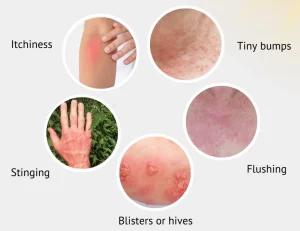
Sun allergy is a term used to describe a group of conditions in which the skin reacts abnormally to sunlight. When the skin is exposed to ultraviolet (UV) rays from the sun, it may develop redness, itching, rashes, or small bumps. These reactions usually occur on areas of the skin that are exposed to sunlight, such as the face, neck, arms, and hands.
Sun allergy includes several conditions, such as polymorphous light eruption, photoallergic reactions, and solar urticaria. The severity of symptoms can vary from mild irritation to more uncomfortable skin reactions. In many cases, the symptoms appear shortly after sun exposure and may improve when the skin is protected from sunlight.
Although sun allergy can affect anyone, some people are more sensitive to sunlight due to genetic factors, medications, or skin conditions.
Symptoms
Symptoms of sun allergy usually appear within minutes to hours after exposure to sunlight. The affected skin areas often show visible changes and may feel uncomfortable.
Common symptoms include:
-
Red rash on sun-exposed skin
-
Itching or burning sensation
-
Small bumps or blisters
-
Swelling or raised patches on the skin
-
Dry or scaly skin in affected areas
Symptoms often appear on the chest, arms, neck, and legs, while areas regularly exposed to the sun, such as the face and hands, may sometimes be less affected.
Causes
Sun allergy occurs when the immune system reacts to sunlight or to substances in the skin that change after sun exposure. The exact cause varies depending on the specific type of sun allergy.
Possible causes include:
-
Immune system reaction to ultraviolet radiation
-
Chemical reactions involving certain medications or skincare products
-
Genetic sensitivity to sunlight
-
Underlying skin conditions that increase photosensitivity
Some medications, perfumes, or topical creams can also trigger a reaction when exposed to sunlight.
Risk Factors
Several factors may increase the risk of developing a sun allergy.
Risk factors include:
-
Family history of sun allergy or photosensitive skin conditions
-
Fair or sensitive skin
-
Use of certain medications such as antibiotics or anti-inflammatory drugs
-
Exposure to chemicals in cosmetics or perfumes that react with sunlight
-
Existing skin disorders
People living in areas with strong sunlight or those who spend long periods outdoors may also experience higher risk.
Complications
Sun allergy is usually not dangerous, but severe reactions may cause discomfort and affect daily activities.
Possible complications include:
-
Persistent itching or irritation
-
Skin infections caused by scratching
-
Repeated skin reactions after sun exposure
-
Darkening or discoloration of the affected skin
Severe types of sun allergy may require medical treatment to control symptoms.
Prevention
Preventing sun allergy mainly involves protecting the skin from excessive sunlight and avoiding triggers.
Preventive measures include:
-
Limiting sun exposure, especially during peak sunlight hours
-
Wearing protective clothing such as long sleeves, hats, and sunglasses
-
Using broad-spectrum sunscreen with high SPF
-
Avoiding perfumes or skincare products that may react with sunlight
-
Checking medications for possible photosensitivity side effects
-
Gradually increasing sun exposure to help the skin adapt
Proper sun protection and awareness of triggers can significantly reduce the likelihood of sun allergy reactions.
Advertisement
