
Overview
Suicide is the act of intentionally ending one’s own life. Suicidal thoughts, also called suicidal ideation, refer to thinking about, considering, or planning suicide. These thoughts can range from brief considerations to detailed plans and may occur during periods of severe emotional distress.
Suicide and suicidal thoughts are often linked to mental health conditions such as depression, anxiety disorders, and substance abuse. However, they may also be triggered by overwhelming life events, chronic stress, trauma, or feelings of hopelessness. People experiencing suicidal thoughts may feel trapped, isolated, or believe that their problems cannot be solved.
Suicide is a serious public health issue, but it is often preventable with early recognition, emotional support, and appropriate mental health care.
Symptoms
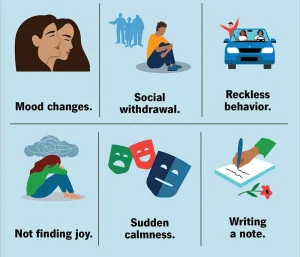
People experiencing suicidal thoughts may show emotional, behavioral, and physical warning signs.
Common warning signs include:
-
Talking about wanting to die or harm oneself
-
Expressing feelings of hopelessness or having no reason to live
-
Feeling like a burden to others
-
Withdrawing from friends, family, or social activities
-
Extreme mood swings or sudden changes in behavior
-
Increased use of alcohol or drugs
-
Giving away personal belongings or saying goodbye to loved ones
-
Talking about feeling trapped or experiencing unbearable pain
Some individuals may also experience sleep problems, changes in appetite, or difficulty concentrating.
Causes
Suicidal thoughts often develop due to a combination of emotional, psychological, and environmental factors.
Possible causes include:
-
Depression or other mental health disorders
-
Anxiety disorders
-
Substance abuse or addiction
-
Traumatic experiences such as abuse or violence
-
Loss of a loved one or major life changes
-
Relationship conflicts or social isolation
-
Financial stress or unemployment
-
Chronic illness or long-term pain
In some cases, suicidal thoughts may arise when a person feels overwhelmed and unable to cope with life challenges.
Risk Factors
Certain factors may increase the risk of suicide or suicidal thoughts.
Risk factors include:
-
History of previous suicide attempts
-
Family history of suicide or mental illness
-
Depression, bipolar disorder, or other psychiatric conditions
-
Alcohol or drug misuse
-
Access to means of self-harm
-
Exposure to violence, abuse, or trauma
-
Social isolation or lack of support
-
Major life stressors such as divorce, financial problems, or job loss
Young adults, adolescents, and older adults may face unique risk factors depending on life circumstances.
Complications
Suicidal thoughts can lead to serious emotional and physical consequences if not addressed.
Possible complications include:
-
Suicide attempts
-
Injury or long-term disability resulting from self-harm
-
Severe emotional distress
-
Strain on relationships with family and friends
-
Ongoing mental health problems
Early recognition and professional help are important to reduce the risk of these complications.
Prevention
Suicide prevention focuses on recognizing warning signs, providing emotional support, and ensuring access to mental health care.
Helpful prevention strategies include:
-
Seeking professional help for depression, anxiety, or other mental health conditions
-
Talking openly with trusted friends, family members, or counselors
-
Building strong social support networks
-
Learning healthy coping strategies for stress
-
Limiting access to means of self-harm during times of crisis
-
Encouraging early intervention for individuals showing warning signs
If someone is experiencing suicidal thoughts, immediate support from a healthcare professional, counselor, or emergency service is essential. Early help and compassionate support can save lives and help individuals find hope and recovery.
Advertisement
