
Overview
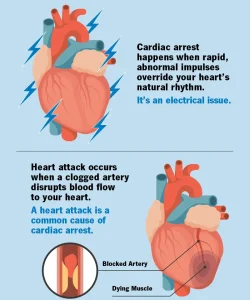
Sudden cardiac arrest is a life-threatening condition in which the heart suddenly stops beating effectively. When this happens, blood flow to the brain and other vital organs stops immediately. Without quick treatment, sudden cardiac arrest can lead to death within minutes.
This condition is different from a heart attack, although a heart attack can sometimes trigger it. Sudden cardiac arrest usually occurs because of an electrical problem in the heart that causes an abnormal rhythm known as ventricular fibrillation. In this rhythm, the heart quivers instead of pumping blood.
Sudden cardiac arrest often occurs without warning and requires immediate medical attention. Rapid treatment with cardiopulmonary resuscitation (CPR) and the use of an automated external defibrillator (AED) can greatly improve survival.
Symptoms
Sudden cardiac arrest typically occurs suddenly and without much warning. The main symptom is the immediate loss of heart function.
Common signs and symptoms include:
-
Sudden collapse
-
No pulse
-
No breathing or abnormal gasping
-
Loss of consciousness
-
Unresponsiveness
Some people may experience warning symptoms minutes or hours before cardiac arrest, such as chest discomfort, shortness of breath, weakness, or palpitations.
Causes
Sudden cardiac arrest is most often caused by abnormal heart rhythms known as arrhythmias. These irregular rhythms prevent the heart from pumping blood effectively.
Common causes include:
-
Ventricular fibrillation
-
Coronary artery disease
-
Heart attack
-
Cardiomyopathy
-
Congenital heart abnormalities
-
Severe electrolyte imbalance
-
Heart inflammation or infection
-
Drug overdose or certain medications
In young people, sudden cardiac arrest may be linked to inherited heart conditions that affect the heart’s electrical system.
Risk Factors
Several health conditions and lifestyle factors can increase the risk of sudden cardiac arrest.
Risk factors include:
-
History of coronary artery disease
-
Previous heart attack
-
Heart failure
-
Cardiomyopathy
-
Family history of sudden cardiac arrest
-
Smoking
-
Obesity
-
High blood pressure
-
High cholesterol
-
Diabetes
Certain inherited heart rhythm disorders can also increase risk, especially in younger individuals.
Complications
Sudden cardiac arrest is a medical emergency and can lead to serious complications if not treated immediately.
Possible complications include:
-
Brain damage due to lack of oxygen
-
Heart damage
-
Organ failure
-
Death
The likelihood of complications increases the longer the brain and body go without oxygen.
Prevention
Preventing sudden cardiac arrest often involves managing heart disease and maintaining a healthy lifestyle.
Preventive measures include:
-
Regular medical checkups for heart health
-
Controlling high blood pressure and cholesterol
-
Managing diabetes effectively
-
Avoiding smoking and excessive alcohol consumption
-
Maintaining a healthy weight
-
Exercising regularly
-
Taking prescribed heart medications as directed
People with known heart rhythm disorders or severe heart disease may benefit from medical devices such as implantable cardioverter defibrillators, which can detect and correct dangerous heart rhythms automatically.
Advertisement
