
Overview
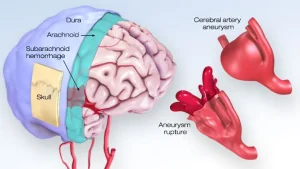
Subarachnoid hemorrhage is a serious medical condition in which bleeding occurs in the space between the brain and the thin tissues that cover it, known as the subarachnoid space. This bleeding increases pressure on the brain and can damage brain cells. Subarachnoid hemorrhage is most commonly caused by the rupture of a brain aneurysm, but it can also result from head injuries. It is a life-threatening emergency that requires immediate medical attention.
Symptoms
Symptoms of subarachnoid hemorrhage usually appear suddenly and can be severe. Common symptoms include:
-
A sudden, extremely severe headache often described as the worst headache of one’s life
-
Stiff neck
-
Nausea and vomiting
-
Sensitivity to light
-
Blurred or double vision
-
Loss of consciousness or confusion
-
Seizures
-
Weakness or numbness in parts of the body
These symptoms may develop rapidly and require urgent evaluation.
Causes
Subarachnoid hemorrhage occurs when a blood vessel in the brain ruptures and bleeds into the subarachnoid space. The most common cause is the rupture of a cerebral aneurysm, which is a weakened, bulging area in a blood vessel wall. Other causes include severe head trauma, arteriovenous malformations, blood clotting disorders, or the use of certain medications that affect blood clotting.
Risk Factors
Several factors increase the risk of developing a subarachnoid hemorrhage:
-
High blood pressure
-
Smoking
-
Heavy alcohol consumption
-
Family history of brain aneurysms
-
Certain inherited connective tissue disorders
-
Drug use, particularly stimulants such as cocaine
-
Previous history of aneurysms or vascular abnormalities
These factors can weaken blood vessels and increase the likelihood of rupture.
Complications
Subarachnoid hemorrhage can lead to serious complications, including:
-
Brain damage due to lack of oxygen
-
Vasospasm, which narrows blood vessels and reduces blood flow to the brain
-
Hydrocephalus, a buildup of fluid in the brain
-
Rebleeding from the ruptured vessel
-
Long-term neurological problems such as memory loss, difficulty speaking, or paralysis
Early treatment is crucial to reduce the risk of these complications.
Prevention
Although not all cases can be prevented, certain steps can help reduce the risk:
-
Controlling high blood pressure
-
Avoiding smoking and excessive alcohol use
-
Maintaining a healthy lifestyle with regular exercise and balanced nutrition
-
Seeking medical evaluation for persistent or severe headaches
-
Monitoring and treating known brain aneurysms when recommended
Managing risk factors and maintaining good cardiovascular health can help lower the likelihood of subarachnoid hemorrhage.
Advertisement
