
Overview
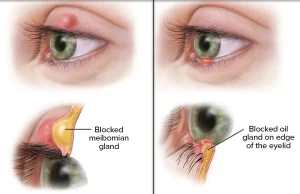
A stye, also spelled sty, is a small, painful lump that forms on the edge of the eyelid, usually caused by a bacterial infection of the oil glands or hair follicles of the eyelashes. Styes are common and typically harmless, but they can cause discomfort and affect vision if they grow large. Most styes heal on their own within a week or two with proper care.
Symptoms
Common symptoms of a stye include:
-
A red, tender lump on the eyelid, often near the base of an eyelash
-
Swelling of the eyelid
-
Pain or discomfort, especially when blinking
-
Tearing or watery eyes
-
Crusting along the eyelid margin
-
Sensitivity to light in some cases
Occasionally, the stye may produce a small amount of pus as it heals.
Causes
Styes are caused by bacterial infection, most commonly Staphylococcus aureus. The bacteria infect the oil glands or hair follicles of the eyelid, leading to inflammation and swelling. Poor eyelid hygiene, touching or rubbing the eyes with unclean hands, or using expired or contaminated cosmetics can contribute to their development.
Risk Factors
Factors that increase the likelihood of developing a stye include:
-
Poor eyelid hygiene
-
Chronic blepharitis (inflammation of the eyelids)
-
Using contact lenses or eye makeup without proper cleaning
-
Weakened immune system
-
Previous history of styes
These factors can make it easier for bacteria to infect the eyelid glands.
Complications
Most styes resolve without complications, but potential issues include:
-
Recurrence of styes
-
Spread of infection to other parts of the eyelid (preseptal cellulitis)
-
Chalazion formation if the stye does not drain and hardens
Prompt treatment and good hygiene help prevent these complications.
Prevention
Preventive measures for styes include:
-
Washing hands before touching the eyes
-
Cleaning eyelids regularly, especially if prone to styes or blepharitis
-
Avoiding sharing towels, makeup, or eye products
-
Removing makeup before sleeping
-
Proper care and cleaning of contact lenses
Maintaining good eyelid hygiene and avoiding unnecessary irritation are key to preventing styes.
Advertisement
