
Overview
A stroke occurs when blood flow to a part of the brain is interrupted or reduced, preventing brain tissue from receiving oxygen and nutrients. This can lead to the death of brain cells within minutes. Strokes are a medical emergency and require immediate treatment to minimize brain damage and prevent long-term complications. There are two main types: ischemic stroke, caused by a blockage in a blood vessel, and hemorrhagic stroke, caused by bleeding in or around the brain.
Symptoms
Stroke symptoms often appear suddenly and may include:
-
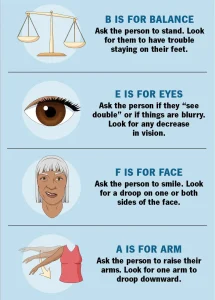
Sudden numbness or weakness in the face, arm, or leg, often on one side of the body
-
Confusion, trouble speaking, or difficulty understanding speech
-
Sudden trouble seeing in one or both eyes
-
Difficulty walking, dizziness, loss of balance, or lack of coordination
-
Severe headache with no known cause
-
Sudden nausea or vomiting in some cases
Recognizing symptoms early and seeking immediate medical attention is critical for better outcomes.
Causes
Strokes occur due to either blockage or rupture of blood vessels in the brain:
-
Ischemic stroke: caused by a blood clot or buildup of fatty deposits (atherosclerosis) that blocks blood flow
-
Hemorrhagic stroke: caused by a blood vessel bursting due to high blood pressure, aneurysm, or trauma
-
Transient ischemic attack (TIA), or “mini-stroke,” occurs when blood flow is temporarily blocked
Underlying conditions such as heart disease, high blood pressure, or blood clotting disorders contribute to stroke risk.
Risk Factors
Several factors increase the likelihood of having a stroke:
-
High blood pressure (hypertension)
-
Smoking or tobacco use
-
Diabetes
-
High cholesterol
-
Obesity or physical inactivity
-
Heart disease or atrial fibrillation
-
Age over 55 years
-
Family history of stroke
-
Excessive alcohol consumption
Controlling these risk factors can significantly reduce the risk of stroke.
Complications
Strokes can lead to serious and long-term complications, including:
-
Paralysis or weakness on one side of the body
-
Difficulty speaking or understanding language
-
Cognitive impairments and memory loss
-
Emotional and behavioral changes
-
Difficulty swallowing (dysphagia)
-
Chronic pain or numbness
-
Increased risk of another stroke
Early rehabilitation and medical care help minimize complications and improve recovery.
Prevention
Preventive measures to reduce the risk of stroke include:
-
Maintaining healthy blood pressure, cholesterol, and blood sugar levels
-
Quitting smoking and limiting alcohol intake
-
Engaging in regular physical activity
-
Eating a balanced diet rich in fruits, vegetables, and whole grains
-
Managing heart conditions such as atrial fibrillation
-
Regular health checkups for early detection of risk factors
Lifestyle management, prompt treatment of underlying conditions, and awareness of early symptoms are key to preventing strokes and reducing their severity.
Advertisement
