
Overview
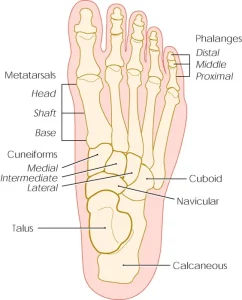
Stress fractures are small cracks in a bone caused by repetitive force or overuse, rather than a single traumatic injury. They commonly occur in weight-bearing bones such as the shin, foot, and hip. Athletes, military recruits, and individuals who suddenly increase physical activity are particularly at risk. Early detection is important to prevent worsening of the fracture and long-term complications.
Symptoms
Symptoms of stress fractures usually develop gradually and may include:
-
Localized pain that worsens with activity and improves with rest
-
Swelling or tenderness at the affected site
-
Mild bruising in some cases
-
Pain that persists even at rest as the fracture progresses
-
Reduced ability to bear weight on the affected limb
Pain is often subtle initially but can become more severe over time.
Causes
Stress fractures result from repeated mechanical stress on a bone that exceeds its ability to repair and remodel itself. Common causes include:
-
Sudden increase in physical activity or training intensity
-
High-impact sports such as running, basketball, or gymnastics
-
Improper footwear or training surfaces
-
Bone weakness due to osteoporosis or other medical conditions
The combination of repetitive stress and weakened bone tissue leads to tiny cracks.
Risk Factors
Several factors increase the risk of developing stress fractures:
-
Engaging in high-impact or repetitive sports activities
-
Rapid changes in exercise intensity, duration, or frequency
-
Poor nutrition, including low calcium or vitamin D intake
-
Low bone density or osteoporosis
-
Female athletes with irregular menstrual cycles (female athlete triad)
-
Previous history of stress fractures
Risk factors weaken bone strength or increase mechanical stress, making fractures more likely.
Complications
If stress fractures are not managed properly, complications may include:
-
Complete bone fracture
-
Chronic pain or long-term discomfort
-
Reduced mobility and physical performance
-
Delayed healing or nonunion of the fracture
Early diagnosis and appropriate rest and treatment reduce these risks.
Prevention
Preventive measures for stress fractures include:
-
Gradually increasing exercise intensity and duration
-
Wearing proper footwear and using suitable training surfaces
-
Strengthening bones and muscles through resistance training
-
Maintaining a balanced diet rich in calcium and vitamin D
-
Listening to the body and resting when pain develops
Proper training techniques, nutrition, and rest are essential to reduce the risk of stress fractures and support bone health.
Advertisement
