
Overview
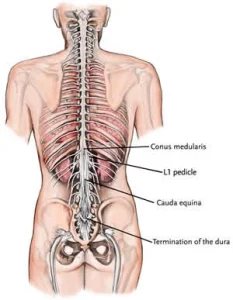
A spinal cord injury is damage to the spinal cord that results in a loss of function, such as movement, sensation, or both, below the level of the injury. It can be caused by trauma or non-traumatic conditions and may be partial or complete. Spinal cord injuries can lead to temporary or permanent disability, depending on the severity and location of the damage.
Symptoms
Symptoms vary based on the level of injury and whether the damage is complete or incomplete.
-
Loss of movement or paralysis
-
Loss of sensation, including the ability to feel heat, cold, or touch
-
Pain or intense stinging sensation
-
Difficulty breathing, depending on the injury level
-
Loss of bladder and bowel control
-
Muscle spasms or exaggerated reflexes
-
Sexual dysfunction
Symptoms may appear immediately after injury or develop over time.
Causes
Spinal cord injuries are most commonly caused by traumatic events that damage the spine or spinal cord. Non-traumatic causes can also lead to injury over time.
-
Motor vehicle accidents
-
Falls
-
Sports or recreational injuries
-
Acts of violence
-
Tumors, infections, or degenerative diseases affecting the spine
The injury occurs when the spinal cord is bruised, compressed, or severed.
Risk Factors
Certain factors increase the risk of spinal cord injury.
-
High-risk activities such as contact sports
-
Unsafe driving practices
-
Occupations with fall hazards
-
Older age, due to increased fall risk
-
Pre-existing spinal conditions
Complications
Spinal cord injuries can result in a wide range of complications. These may include chronic pain, pressure sores, respiratory infections, and cardiovascular problems. Long-term immobility can lead to muscle wasting, bone loss, and blood clots. Emotional and psychological challenges, including depression and anxiety, are also common.
Prevention
Many spinal cord injuries can be prevented through safety measures. Using seat belts, helmets, and protective sports equipment reduces the risk of trauma. Fall-prevention strategies in older adults and safe work practices are important. Early treatment and rehabilitation after injury help minimize complications and improve functional outcomes.
Advertisement
