
Overview
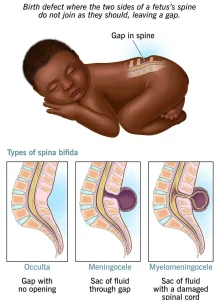
Spina bifida is a congenital condition that occurs when the spine and spinal cord do not develop properly during early pregnancy. It is a type of neural tube defect and can vary widely in severity, from mild forms with no noticeable symptoms to severe forms that cause significant physical and neurological disabilities. Spina bifida develops before birth and is present at birth.
Symptoms
Symptoms depend on the type and severity of spina bifida.
-
A visible sac or opening on the back in more severe forms
-
Weakness or paralysis of the legs
-
Loss of sensation below the affected area
-
Difficulty with walking or mobility
-
Problems with bladder and bowel control
-
Curvature of the spine
-
Learning difficulties in some cases
Milder forms may cause few or no symptoms and may be discovered later in life.
Causes
Spina bifida occurs when the neural tube fails to close completely during the first few weeks of pregnancy. The exact cause is not fully understood, but it is believed to involve a combination of genetic and environmental factors. Insufficient intake of folic acid before and during early pregnancy is a major contributing factor. Certain medications, uncontrolled diabetes, and exposure to high temperatures early in pregnancy may also increase risk.
Risk Factors
Several factors can increase the likelihood of having a baby with spina bifida.
-
Low folic acid intake before and during pregnancy
-
Family history of neural tube defects
-
Certain anti-seizure medications
-
Maternal diabetes or obesity
-
Exposure to high heat early in pregnancy
-
Poor overall maternal nutrition
Complications
Complications depend on the severity of the condition. Severe spina bifida can lead to long-term physical disabilities, chronic infections, and kidney problems due to bladder dysfunction. Hydrocephalus, a buildup of fluid in the brain, is a common associated condition. Ongoing medical care, surgeries, and rehabilitation may be required throughout life.
Prevention
Many cases of spina bifida can be prevented by adequate folic acid intake before conception and during early pregnancy. Women of childbearing age are advised to take folic acid supplements and maintain a balanced diet rich in folate. Proper management of chronic medical conditions and avoiding harmful substances during pregnancy further reduce risk. Early prenatal care supports detection and appropriate planning for management.
Request an appointment
Advertisement
