
Overview
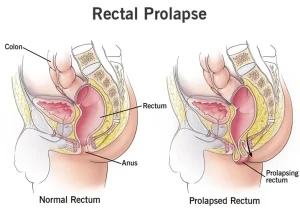
Solitary rectal ulcer syndrome is a rare disorder that affects the rectum and is characterized by a sore or ulcer in the rectal lining. Despite its name, more than one ulcer may sometimes be present, or the rectal lining may appear inflamed without a clear ulcer. The condition is often related to abnormal bowel habits and problems with the muscles involved in defecation. Solitary rectal ulcer syndrome can cause chronic symptoms and may be difficult to diagnose.
Symptoms
Symptoms can vary in severity and often develop gradually.
-
Rectal bleeding
-
Passage of mucus from the rectum
-
Straining during bowel movements
-
Feeling of incomplete bowel emptying
-
Rectal pain or discomfort
-
Constipation or, less commonly, diarrhea
-
Prolapse of rectal tissue in some cases
Symptoms may worsen over time if underlying bowel habits are not corrected.
Causes
Solitary rectal ulcer syndrome is usually caused by repeated trauma to the rectal lining. This trauma often results from excessive straining, chronic constipation, or abnormal coordination of pelvic floor muscles during bowel movements. Reduced blood flow to the rectal tissue and rectal prolapse can also contribute to the development of ulcers.
Risk Factors
Several factors increase the risk of developing solitary rectal ulcer syndrome.
-
Chronic constipation
-
Excessive straining during bowel movements
-
Rectal prolapse or internal intussusception
-
Abnormal pelvic floor muscle function
-
Long-term use of enemas or suppositories
-
Younger and middle-aged adults, though it can occur at any age
Complications
If left untreated, solitary rectal ulcer syndrome can lead to ongoing rectal bleeding, anemia, and persistent pain. Chronic symptoms may significantly affect quality of life. In severe cases, progressive rectal prolapse or worsening ulceration can occur, making treatment more challenging.
Prevention
Prevention focuses on improving bowel habits and reducing strain on the rectum. Maintaining a high-fiber diet, adequate hydration, and regular bowel routines can help prevent constipation. Avoiding excessive straining and unnecessary use of enemas is important. Early medical evaluation of chronic rectal symptoms allows timely diagnosis and management, helping prevent progression of the condition.
Request an appointment
Advertisement
