
Overview
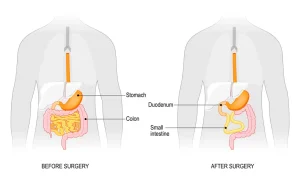
Short bowel syndrome is a condition that occurs when a significant portion of the small intestine is missing or not functioning properly. The small intestine is responsible for absorbing nutrients, fluids, and vitamins from food. When its length or function is reduced, the body cannot absorb enough nutrients to maintain normal health. Short bowel syndrome often develops after surgical removal of part of the intestine and can lead to long-term digestive and nutritional problems.
Symptoms
Symptoms vary depending on how much of the intestine is affected and which sections are involved. They may range from mild to severe.
-
Chronic diarrhea
-
Weight loss and poor appetite
-
Dehydration
-
Fatigue and weakness
-
Abdominal pain, bloating, or cramping
-
Nutrient deficiencies that may cause anemia, bone problems, or skin changes
In children, poor growth and delayed development may be seen.
Causes
Short bowel syndrome is most commonly caused by surgical removal of part of the small intestine. This surgery may be necessary due to conditions such as intestinal blockage, injury, inflammatory bowel disease, or reduced blood supply to the intestine. In some cases, people are born with a shortened intestine or with parts that do not function properly.
Risk Factors
Several factors increase the likelihood of developing short bowel syndrome.
-
Extensive intestinal surgery
-
Diseases affecting the small intestine
-
Reduced blood flow to the intestines
-
Congenital intestinal abnormalities
-
Repeated abdominal surgeries
Complications
Short bowel syndrome can lead to serious complications if not well managed. These may include severe malnutrition, dehydration, and electrolyte imbalances. Long-term nutrient deficiencies can affect bone strength, immune function, and overall health. Some individuals may become dependent on intravenous nutrition to meet their daily needs.
Prevention
Prevention focuses on careful medical and surgical management of intestinal diseases. Preserving as much healthy intestine as possible during surgery reduces the risk of developing this condition. Early nutritional support, regular monitoring, and appropriate dietary adjustments help prevent complications and improve quality of life for people at risk.
Advertisement
