
Overview
Shigella infection is a contagious intestinal illness caused by bacteria of the Shigella group. It primarily affects the digestive tract and is a common cause of diarrhea, especially in areas with poor sanitation. The infection spreads easily from person to person and can affect individuals of all ages. While many cases are mild, some can be severe and require medical care.
Symptoms
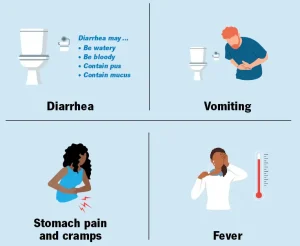
Symptoms usually begin one to three days after exposure and can range from mild to severe.
-
Watery or bloody diarrhea
-
Abdominal cramps and pain
-
Fever
-
Nausea or vomiting
-
Urgent need to pass stool
In young children and older adults, symptoms may be more severe and lead to dehydration.
Causes
Shigella infection is caused by ingestion of Shigella bacteria. This typically occurs through contaminated food or water, or by direct contact with an infected person. Poor hand hygiene, especially after using the toilet or changing diapers, plays a major role in the spread of infection. The bacteria can survive in the environment long enough to infect others easily.
Risk Factors
Certain factors increase the risk of acquiring Shigella infection.
-
Living in or traveling to areas with poor sanitation
-
Close contact with an infected person
-
Attendance at childcare centers or institutions
-
Poor handwashing practices
-
Crowded living conditions
Complications
Complications can occur, particularly in severe or untreated cases. These may include dehydration, seizures in young children due to high fever, and electrolyte imbalances. In rare cases, Shigella infection can lead to hemolytic uremic syndrome or reactive arthritis, which may cause joint pain and long-term health issues.
Prevention
Prevention focuses on good hygiene and safe food and water practices. Washing hands thoroughly with soap and water, especially after using the toilet and before eating or preparing food, is essential. Drinking clean, treated water and avoiding food from unsafe sources reduce the risk of infection. People with diarrhea should avoid preparing food for others and limit close contact until fully recovered.
Request an appointment
Advertisement
