
Overview
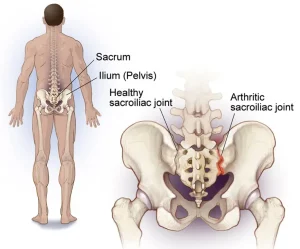
Sacroiliitis is a painful condition caused by inflammation of one or both sacroiliac joints, which connect the lower spine to the pelvis. These joints play an important role in transferring weight and movement between the upper body and the legs. Inflammation in this area can lead to persistent lower back and buttock pain that may worsen with standing, walking, or climbing stairs. Sacroiliitis can occur on its own or as part of an underlying inflammatory or degenerative condition.
Symptoms
The symptoms of sacroiliitis can vary in severity and may develop gradually or suddenly. Pain is usually felt on one side of the lower back, though it can affect both sides in some cases. Common symptoms include:
-
Dull or sharp pain in the lower back, buttocks, hips, or thighs
-
Pain that worsens with prolonged standing, walking, or stair climbing
-
Stiffness in the lower back or hips, especially in the morning or after rest
-
Discomfort that increases with movements such as bending, twisting, or running
Causes
Sacroiliitis can result from several underlying factors that irritate or damage the sacroiliac joints. Common causes include:
-
Traumatic injury such as a fall, accident, or sudden impact
-
Pregnancy-related joint stress and hormonal changes
-
Degenerative arthritis causing wear and tear of the joints
-
Inflammatory conditions such as ankylosing spondylitis or other spondyloarthropathies
-
Joint infection, which is rare but serious
-
Differences in leg length that place uneven stress on the joints
Risk Factors
Certain factors can increase the likelihood of developing sacroiliitis. These include:
-
Existing inflammatory arthritis or autoimmune disorders
-
Pregnancy or recent childbirth
-
Jobs or activities involving heavy lifting or prolonged standing
-
Previous injury to the lower back or pelvis
-
Structural abnormalities of the spine or pelvis
Complications
If left untreated, sacroiliitis can lead to long-term pain and functional limitations. Ongoing inflammation may reduce mobility and interfere with daily activities. In cases linked to inflammatory arthritis, persistent joint damage and spinal stiffness may develop over time. Chronic pain can also affect posture, sleep quality, and overall quality of life.
Prevention
While not all cases of sacroiliitis can be prevented, certain measures may help reduce the risk or severity of symptoms. Maintaining good posture, using proper lifting techniques, and engaging in regular low-impact exercise can support joint health. Strengthening core and hip muscles helps stabilize the sacroiliac joints. Managing underlying inflammatory conditions, maintaining a healthy weight, and seeking early medical evaluation for persistent lower back pain can also help prevent complications.
Advertisement
