
Overview
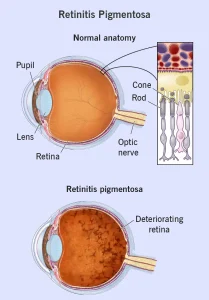
Retinal diseases are a group of eye conditions that affect the retina, the light-sensitive layer at the back of the eye responsible for converting light into visual signals. Damage to the retina can lead to vision impairment or blindness if not diagnosed and treated promptly. Retinal diseases can be caused by aging, genetics, systemic conditions like diabetes, trauma, or infections. Early detection and management are crucial for preserving vision.
Retinal Diseases Symptoms
Symptoms vary depending on the specific retinal condition but often include:
-
Blurred or distorted vision
-
Sudden appearance of floaters (spots, threads, or cobwebs)
-
Flashes of light in the visual field
-
Partial or complete loss of vision
-
Dark or empty areas in the visual field
-
Difficulty seeing in low-light conditions
-
Distortion of straight lines (metamorphopsia)
Retinal Diseases Causes
Retinal diseases can result from various underlying factors:
-
Age-related degeneration of retinal tissue
-
Damage from high blood sugar levels in diabetes
-
Genetic mutations affecting retinal structure or function
-
Retinal blood vessel blockages or leakage
-
Eye trauma or injury
-
Infections or inflammatory disorders affecting the eye
-
Tumors or abnormal tissue growth in the retina
Retinal Diseases Risk Factors
Certain factors increase the likelihood of developing retinal diseases:
-
Aging, particularly over 50 years
-
Family history of retinal disorders
-
Diabetes or uncontrolled blood sugar
-
High blood pressure
-
Severe nearsightedness (myopia)
-
Previous eye injuries or surgeries
-
Smoking and poor lifestyle habits
Retinal Diseases Complications
If left untreated, retinal diseases can lead to severe complications:
-
Partial or complete vision loss
-
Retinal detachment
-
Macular damage causing central vision impairment
-
Chronic eye inflammation
-
Increased risk of glaucoma or cataracts
-
Reduced ability to perform daily activities
Retinal Diseases Prevention
Prevention strategies focus on regular eye care and managing underlying health conditions:
-
Routine eye examinations for early detection
-
Controlling diabetes, hypertension, and cholesterol
-
Protecting eyes from trauma with safety eyewear
-
Maintaining a healthy diet rich in antioxidants and vitamins
-
Avoiding smoking and excessive alcohol consumption
-
Managing high myopia with regular monitoring
-
Prompt treatment of any eye infections or inflammation
Timely diagnosis and treatment of retinal diseases can preserve vision and prevent irreversible damage, highlighting the importance of regular eye check-ups and healthy lifestyle choices.
Advertisement
