
Overview
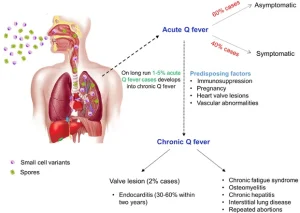
Q fever is a zoonotic infectious disease caused by the bacterium Coxiella burnetii. It primarily affects animals such as cattle, sheep, and goats, but humans can become infected through exposure to contaminated environments. Q fever occurs worldwide and can present as either an acute or chronic illness. While many infections are mild or asymptomatic, some cases can lead to serious long-term health complications if not recognized and treated early.
Symptoms
Symptoms of Q fever can vary widely depending on whether the infection is acute or chronic. Acute Q fever often begins suddenly, while chronic Q fever may develop months or years after the initial infection.
Common symptoms may include:
-
High fever and chills
-
Severe headache
-
Fatigue and weakness
-
Muscle aches
-
Sweating, especially at night
-
Dry cough or chest pain
-
Nausea, vomiting, or diarrhea
Chronic Q fever may cause persistent fatigue, weight loss, and symptoms related to heart or liver involvement.
Causes
Q fever is caused by infection with Coxiella burnetii, a highly resistant bacterium that can survive in harsh environmental conditions. The bacteria are commonly found in the birth products, urine, feces, and milk of infected animals. Humans usually become infected by inhaling contaminated dust or aerosols, even without direct contact with animals.
Risk Factors
Certain individuals are more likely to develop Q fever due to occupational or environmental exposure, as well as underlying health conditions.
Key risk factors include:
-
Working with livestock, such as farmers, veterinarians, and abattoir workers
-
Living near farms or animal processing facilities
-
Exposure to contaminated dust or animal birth products
-
Weakened immune system
-
Pre-existing heart valve disease or vascular disorders
Complications
Although many people recover fully from acute Q fever, complications can occur, particularly in untreated or chronic cases. These complications can be severe and may require long-term medical care.
Potential complications include:
-
Endocarditis, a serious infection of the heart valves
-
Chronic fatigue syndrome-like illness
-
Hepatitis or liver inflammation
-
Pneumonia
-
Pregnancy-related complications, such as miscarriage or preterm birth
Prevention
Preventing Q fever focuses on reducing exposure to infected animals and contaminated environments. Awareness and protective measures are especially important for people in high-risk occupations.
Effective prevention strategies include:
-
Using protective clothing and masks when handling livestock
-
Proper disposal of animal birth products
-
Maintaining good hygiene and handwashing practices
-
Pasteurization of milk and avoidance of unpasteurized dairy products
-
Vaccination programs where available for high-risk individuals
Early recognition and appropriate antibiotic treatment are essential to reduce the risk of complications and long-term health effects associated with Q fever.
Advertisement
