
Overview
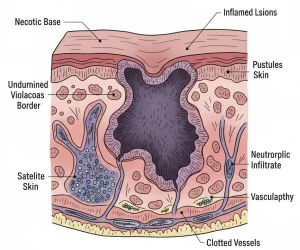
Pyoderma Gangrenosum is a rare inflammatory skin condition that causes painful ulcers or open sores on the skin. It is considered a type of neutrophilic dermatosis, a group of disorders characterized by an abnormal immune system response that leads to inflammation in the skin. The condition most commonly affects the legs but can appear on other parts of the body, including the arms, abdomen, or face.
The sores often begin as small red bumps or blisters that quickly break down into deep ulcers with irregular borders. Pyoderma gangrenosum is not caused by infection and is not contagious. It is frequently associated with underlying systemic diseases such as inflammatory bowel disease, arthritis, or certain blood disorders.
Symptoms
Symptoms of pyoderma gangrenosum usually begin suddenly and can progress rapidly.
Common symptoms include:
-
Painful red bumps or pustules on the skin
-
Rapidly developing open sores or ulcers
-
Ulcers with purple or bluish edges
-
Swelling and inflammation around the wound
-
Pus or fluid drainage from the ulcers
-
Fever or general discomfort in some cases
-
Skin lesions that worsen after minor injuries or trauma
The ulcers may enlarge over time and can leave scars after healing.
Causes
The exact cause of pyoderma gangrenosum is not fully understood. It is believed to involve an abnormal immune system response that causes inflammation and destruction of skin tissue.
Several factors may contribute to the condition, including:
-
Immune system dysfunction
-
Associated diseases such as inflammatory bowel disease
-
Rheumatoid arthritis
-
Blood disorders such as leukemia
-
Minor skin injuries or surgical wounds that trigger ulcer formation
In many cases, the condition develops alongside another underlying medical disorder.
Risk Factors
Certain factors may increase the risk of developing pyoderma gangrenosum.
These include:
-
Having inflammatory bowel diseases such as ulcerative colitis or Crohn’s disease
-
Rheumatoid arthritis or other autoimmune conditions
-
Blood cancers or bone marrow disorders
-
Previous skin trauma or surgery
-
Age between 20 and 50 years
Both men and women can develop the condition, although it is slightly more common in adults.
Complications
If left untreated, pyoderma gangrenosum can lead to serious complications.
Possible complications include:
-
Severe pain and large skin ulcers
-
Permanent scarring and skin damage
-
Secondary bacterial infections
-
Reduced mobility if ulcers occur near joints
-
Emotional stress and decreased quality of life
Prompt medical treatment is important to control inflammation and promote wound healing.
Prevention
There is no known way to completely prevent pyoderma gangrenosum because the exact cause is not fully understood. However, certain measures may help reduce the risk of flare-ups or worsening of the condition.
Helpful preventive steps include:
-
Managing underlying conditions such as inflammatory bowel disease or arthritis
-
Avoiding unnecessary skin trauma or injury
-
Seeking early medical treatment for suspicious skin lesions
-
Following prescribed treatment plans and regular medical follow-up
-
Practicing good wound care if ulcers develop
Early diagnosis and appropriate treatment can help control symptoms and reduce the likelihood of complications.
Advertisement
