
Overview
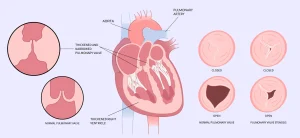
Pulmonary Valve Stenosis is a heart condition in which the pulmonary valve becomes narrowed. The pulmonary valve controls blood flow from the right ventricle of the heart to the pulmonary artery, which carries blood to the lungs to receive oxygen. When this valve is narrowed, the heart must work harder to pump blood through the small opening.
This condition is often present at birth and is considered a congenital heart defect. The severity can vary from mild to severe. Mild cases may cause few or no symptoms, while more severe cases can affect normal blood flow and lead to complications if not treated.
Symptoms
The symptoms of pulmonary valve stenosis depend on how narrow the valve is. Mild cases may not cause noticeable symptoms, while moderate or severe cases may produce several signs.
Common symptoms include:
-
Shortness of breath, especially during physical activity
-
Fatigue or weakness
-
Chest pain
-
Rapid or pounding heartbeat
-
Fainting or dizziness
-
Bluish tint to the lips or skin in severe cases
-
Poor growth in infants or children
Some people may not notice symptoms until the condition becomes more severe.
Causes
Pulmonary valve stenosis usually develops before birth as the heart forms during pregnancy. In many cases, the exact reason why the valve does not develop normally is unknown.
Possible causes include:
-
Congenital heart defects affecting the structure of the pulmonary valve
-
Abnormal formation or thickening of the valve leaflets
-
Genetic factors that influence heart development
In rare cases, pulmonary valve stenosis may develop later in life due to conditions that cause scarring or damage to the heart valves.
Risk Factors
Certain factors may increase the risk of pulmonary valve stenosis.
These include:
-
Being born with congenital heart defects
-
Family history of congenital heart disease
-
Genetic conditions that affect heart development
-
Certain infections during pregnancy that may affect fetal heart development
Because many cases are present at birth, risk factors are often related to early heart development.
Complications
If pulmonary valve stenosis becomes severe or remains untreated, it can lead to several complications.
Possible complications include:
-
Enlargement and thickening of the right ventricle
-
Heart rhythm problems
-
Heart failure in severe cases
-
Reduced blood flow to the lungs
-
Increased risk of infection in the heart lining or valves
Regular medical monitoring can help detect worsening of the condition and reduce the risk of complications.
Prevention
Pulmonary valve stenosis cannot usually be prevented because it is most often a congenital condition. However, certain steps may help reduce the risk of congenital heart problems during pregnancy.
Helpful measures include:
-
Receiving proper prenatal care
-
Managing chronic medical conditions during pregnancy
-
Avoiding harmful substances such as alcohol and tobacco
-
Getting recommended vaccinations before pregnancy
-
Discussing family history of heart defects with a healthcare provider
Early diagnosis and appropriate treatment can help manage the condition and allow many individuals to live healthy lives.
Advertisement
