
Overview
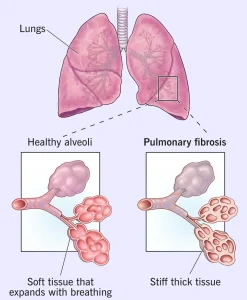
Pulmonary Fibrosis is a lung disease that occurs when lung tissue becomes damaged and scarred. This thickened and stiff tissue makes it difficult for the lungs to work properly and reduces the ability to transfer oxygen into the bloodstream. As the disease progresses, breathing becomes increasingly difficult.
Pulmonary fibrosis can develop gradually and may worsen over time. In many cases, the exact cause is unknown, which is referred to as idiopathic pulmonary fibrosis. The condition can significantly affect a person’s quality of life, but early diagnosis and appropriate treatment may help slow the progression of the disease.
Symptoms
Symptoms of pulmonary fibrosis usually develop slowly and may become more severe over time.
Common symptoms include:
-
Shortness of breath, especially during physical activity
-
Persistent dry cough
-
Fatigue or weakness
-
Unexplained weight loss
-
Muscle and joint pain
-
Widening and rounding of the fingertips or toes, known as clubbing
-
Chest discomfort
As the disease progresses, breathing may become difficult even during routine activities or at rest.
Causes
Pulmonary fibrosis develops when lung tissue becomes injured and scarred. This scarring makes the lungs stiff and less able to expand normally.
Possible causes include:
-
Long-term exposure to environmental pollutants such as dust, chemicals, or metal particles
-
Certain medications that may damage lung tissue
-
Radiation therapy to the chest
-
Autoimmune diseases such as rheumatoid arthritis or lupus
-
Viral infections
-
Unknown causes, which are classified as idiopathic pulmonary fibrosis
In many people, doctors cannot identify a specific trigger for the disease.
Risk Factors
Several factors may increase the risk of developing pulmonary fibrosis.
These include:
-
Older age, especially people over 50
-
Smoking
-
Long-term exposure to occupational dust or chemicals
-
Certain medical treatments such as radiation or chemotherapy
-
Family history of lung disease
-
Autoimmune disorders
Men are slightly more likely than women to develop some forms of pulmonary fibrosis.
Complications
Pulmonary fibrosis can lead to serious complications as lung function declines.
Possible complications include:
-
Pulmonary hypertension
-
Respiratory failure
-
Chronic low oxygen levels in the blood
-
Increased risk of lung infections
-
Heart strain due to reduced oxygen supply
These complications can significantly affect overall health and may require long-term medical care.
Prevention
Pulmonary fibrosis cannot always be prevented, especially when the cause is unknown. However, certain measures may help reduce the risk or slow disease progression.
Helpful preventive steps include:
-
Avoiding smoking and secondhand smoke
-
Using protective equipment when exposed to dust or chemicals
-
Managing autoimmune diseases effectively
-
Receiving recommended vaccinations to reduce respiratory infections
-
Attending regular medical checkups if symptoms develop
Early medical evaluation for persistent breathing problems can help detect lung disease sooner and improve management outcomes.
Advertisement
