
Overview
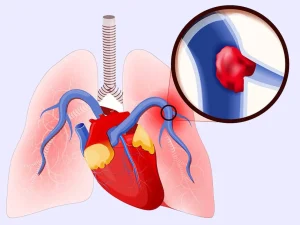
Pulmonary Embolism is a serious medical condition that occurs when one or more arteries in the lungs become blocked by a blood clot. In most cases, the clot forms in a deep vein in the legs, a condition known as deep vein thrombosis, and then travels through the bloodstream to the lungs. When the clot blocks blood flow, it can prevent the lungs from supplying oxygen to the body.
Pulmonary embolism can be life-threatening, especially if the blockage is large or if multiple clots are present. However, prompt diagnosis and treatment can greatly improve outcomes. Early medical attention is essential if symptoms appear suddenly.
Symptoms
Symptoms of pulmonary embolism can appear suddenly and may vary depending on the size and number of clots.
Common symptoms include:
-
Sudden shortness of breath
-
Sharp chest pain that may worsen with deep breathing
-
Rapid or irregular heartbeat
-
Cough, sometimes with bloody mucus
-
Lightheadedness or dizziness
-
Excessive sweating
-
Anxiety or a feeling of impending doom
Some people may also experience symptoms related to deep vein thrombosis, such as swelling, pain, redness, or warmth in the leg.
Causes
Pulmonary embolism usually occurs when a blood clot formed in another part of the body travels to the lungs.
Common causes include:
-
Blood clots from deep veins in the legs
-
Prolonged immobility, such as long flights or bed rest
-
Surgery, particularly orthopedic or pelvic surgery
-
Injury to blood vessels
-
Certain medical conditions that increase blood clotting
Less commonly, blockages in the lungs may be caused by fat, air bubbles, or tumor cells.
Risk Factors
Several factors can increase the risk of developing pulmonary embolism.
These include:
-
Prolonged sitting or immobility
-
Recent surgery or hospitalization
-
Pregnancy or recent childbirth
-
Use of hormone therapy or birth control pills
-
Smoking
-
Obesity
-
Cancer
-
Family history of blood clots
People with a history of deep vein thrombosis are also at higher risk.
Complications
Pulmonary embolism can cause serious complications if not treated quickly.
Possible complications include:
-
Damage to lung tissue
-
Pulmonary hypertension
-
Heart strain or right-sided heart failure
-
Low oxygen levels in the blood
-
Sudden death in severe cases
Early treatment significantly reduces the risk of these complications.
Prevention
Preventing pulmonary embolism focuses on reducing the risk of blood clots.
Helpful preventive measures include:
-
Staying physically active and avoiding long periods of immobility
-
Walking and stretching during long trips
-
Maintaining a healthy weight
-
Avoiding smoking
-
Using compression stockings when recommended
-
Taking prescribed blood-thinning medications if at high risk
Following medical advice after surgery or during hospitalization can also help prevent the formation of dangerous blood clots.
Advertisement
