
Overview
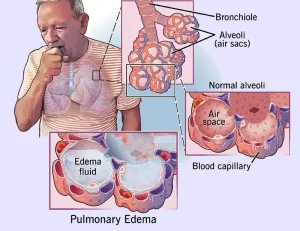
Pulmonary Edema is a condition in which excess fluid accumulates in the air sacs of the lungs. This fluid buildup makes it difficult for oxygen to pass into the bloodstream, leading to breathing problems. The condition often develops suddenly and can become a medical emergency if not treated quickly.
Pulmonary edema is most commonly caused by heart-related problems, particularly when the heart cannot pump blood efficiently. This leads to increased pressure in the blood vessels of the lungs, allowing fluid to leak into the lung tissue. In some cases, lung injury or other medical conditions may also cause pulmonary edema.
Symptoms
Symptoms of pulmonary edema can appear suddenly or develop gradually depending on the underlying cause.
Common symptoms include:
-
Severe shortness of breath
-
Difficulty breathing, especially when lying down
-
Rapid or labored breathing
-
Cough producing frothy or pink-colored sputum
-
Wheezing or gasping for air
-
Excessive sweating
-
Anxiety or restlessness
-
Rapid or irregular heartbeat
-
Bluish color of the lips or skin due to low oxygen levels
In chronic cases, symptoms may worsen gradually and become more noticeable during physical activity.
Causes
Pulmonary edema most often occurs due to problems affecting the heart’s ability to pump blood effectively.
Common causes include:
-
Congestive heart failure
-
Heart attack
-
High blood pressure affecting the heart
-
Heart valve disorders
-
Cardiomyopathy
Non-cardiac causes may also lead to pulmonary edema, including:
-
Severe lung infections
-
Acute respiratory distress syndrome
-
Exposure to certain toxins
-
High-altitude exposure
-
Kidney failure
-
Near drowning
These conditions can increase fluid pressure or damage the lung tissue, allowing fluid to accumulate in the lungs.
Risk Factors
Several factors may increase the risk of pulmonary edema.
These include:
-
Existing heart disease
-
High blood pressure
-
Coronary artery disease
-
Chronic kidney disease
-
Lung infections
-
Exposure to high altitudes
-
Smoking
-
Obesity
People with underlying heart conditions are particularly vulnerable to developing pulmonary edema.
Complications
If pulmonary edema is not treated promptly, it can lead to serious complications.
Possible complications include:
-
Severe oxygen deficiency in the body
-
Respiratory failure
-
Pulmonary hypertension
-
Heart rhythm abnormalities
-
Damage to the lungs and other organs
In severe cases, pulmonary edema can be life-threatening and requires immediate medical care.
Prevention
Preventing pulmonary edema mainly involves managing the conditions that increase the risk of fluid buildup in the lungs.
Helpful preventive steps include:
-
Controlling high blood pressure and heart disease
-
Following prescribed treatment plans for heart conditions
-
Maintaining a healthy weight
-
Avoiding smoking and excessive alcohol use
-
Limiting salt intake to prevent fluid retention
-
Seeking medical care for symptoms of heart or lung disease
Early management of heart and lung conditions can significantly reduce the risk of developing pulmonary edema.
Advertisement
