
Overview
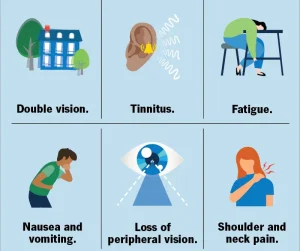
Pseudotumor Cerebri, also known as Idiopathic Intracranial Hypertension, is a condition in which pressure inside the skull increases without the presence of a brain tumor or other obvious cause. The increased pressure around the brain can lead to symptoms similar to those caused by a brain tumor, which is why the condition is called pseudotumor, meaning false tumor.
This condition most commonly affects women of childbearing age, especially those who are overweight. The increased pressure can affect the brain and the optic nerves, which may lead to vision problems if not treated. Early diagnosis and proper management are important to prevent permanent vision loss.
Symptoms
Symptoms of pseudotumor cerebri are mainly related to increased pressure inside the skull.
Common symptoms include:
-
Persistent headaches, often severe
-
Temporary vision loss or blurred vision
-
Double vision
-
Seeing flashing lights
-
Ringing in the ears that pulses with the heartbeat
-
Nausea or vomiting
-
Neck or shoulder pain
-
Difficulty seeing to the sides
Symptoms may worsen during physical activity or when lying down.
Causes
The exact cause of pseudotumor cerebri is not fully understood. It is believed to involve increased pressure from excess cerebrospinal fluid around the brain, although the reason for this buildup is often unknown.
Possible contributing factors include:
-
Problems with the absorption of cerebrospinal fluid
-
Hormonal changes
-
Certain medications
-
Obesity
-
Vitamin A excess
-
Certain medical conditions affecting fluid balance
When no clear cause is identified, the condition is classified as idiopathic intracranial hypertension.
Risk Factors
Several factors may increase the risk of developing pseudotumor cerebri.
These include:
-
Obesity
-
Female gender, particularly women of reproductive age
-
Rapid weight gain
-
Use of certain medications such as some antibiotics or hormonal treatments
-
Vitamin A supplements in high doses
-
Certain endocrine disorders
Children and men can also develop the condition, but it is less common.
Complications
If pseudotumor cerebri is not properly treated, it can lead to significant complications.
Possible complications include:
-
Permanent vision loss
-
Damage to the optic nerve
-
Chronic headaches
-
Reduced visual field
-
Recurring episodes of increased intracranial pressure
Regular monitoring of vision is important to detect early signs of optic nerve damage.
Prevention
There is no guaranteed way to prevent pseudotumor cerebri, especially when the exact cause is unknown. However, certain lifestyle and medical measures may help reduce the risk.
Helpful preventive steps include:
-
Maintaining a healthy body weight
-
Avoiding excessive vitamin A intake
-
Using medications only as prescribed by a healthcare provider
-
Managing underlying medical conditions
-
Seeking medical care for persistent headaches or vision changes
Early diagnosis and ongoing treatment can help control intracranial pressure and protect vision.
Advertisement
