
Overview
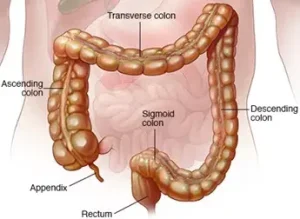
Pseudomembranous Colitis is an inflammation of the colon that usually occurs due to an overgrowth of certain bacteria in the intestines. It most commonly develops after the use of antibiotics, which can disrupt the normal balance of bacteria in the digestive system. When beneficial bacteria are reduced, harmful bacteria can multiply and release toxins that damage the lining of the colon.
This condition is most often associated with infection by the bacterium Clostridioides difficile. The toxins produced by these bacteria cause inflammation and the formation of yellowish plaques, known as pseudomembranes, on the surface of the colon. Pseudomembranous colitis can range from mild diarrhea to severe, life-threatening inflammation.
Symptoms
Symptoms of pseudomembranous colitis may appear during or shortly after antibiotic treatment, but they can sometimes develop weeks later.
Common symptoms include:
-
Frequent watery diarrhea
-
Abdominal cramps and pain
-
Fever
-
Nausea
-
Loss of appetite
-
Dehydration
-
Blood or pus in the stool
-
Fatigue
In severe cases, symptoms may worsen rapidly and require immediate medical attention.
Causes
Pseudomembranous colitis usually occurs when antibiotics disrupt the natural balance of bacteria in the intestines. This allows harmful bacteria to multiply and produce toxins that irritate the colon.
The condition is most commonly caused by Clostridioides difficile infection. Certain antibiotics are more likely to trigger this imbalance, particularly those that affect a wide range of bacteria.
The toxins released by the bacteria damage the intestinal lining, leading to inflammation and the formation of pseudomembranes.
Risk Factors
Several factors may increase the risk of developing pseudomembranous colitis.
These include:
-
Recent use of antibiotics
-
Hospitalization or long-term care facility stay
-
Older age
-
Weakened immune system
-
Previous infection with Clostridioides difficile
-
Certain medical conditions affecting the colon
-
Use of medications that reduce stomach acid
People receiving frequent medical treatments or prolonged antibiotic therapy may be at higher risk.
Complications
If not treated promptly, pseudomembranous colitis can lead to serious complications.
Possible complications include:
-
Severe dehydration due to persistent diarrhea
-
Kidney problems
-
Toxic megacolon, a severe swelling of the colon
-
Bowel perforation
-
Severe infection spreading throughout the body
These complications can become life-threatening and require urgent medical care.
Prevention
Preventing pseudomembranous colitis focuses mainly on responsible antibiotic use and infection control.
Helpful preventive measures include:
-
Using antibiotics only when prescribed by a healthcare provider
-
Completing the full course of antibiotics as directed
-
Practicing good hand hygiene, especially in healthcare settings
-
Proper cleaning and disinfection of medical environments
-
Avoiding unnecessary use of antibiotics
Early recognition and prompt treatment of symptoms can help prevent the condition from becoming severe.
Advertisement
