
Overview
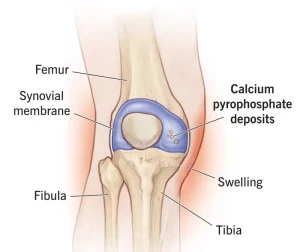
Pseudogout, also known as calcium pyrophosphate deposition disease (CPPD), is a type of arthritis caused by the accumulation of calcium pyrophosphate crystals in the joints. It often mimics the symptoms of gout, but the crystals involved are different. Pseudogout commonly affects the knees, wrists, and shoulders, leading to sudden episodes of joint pain, swelling, and stiffness. The condition can be chronic or episodic and is more common in older adults.
Symptoms
-
Sudden onset of joint pain, often in one joint at a time
-
Swelling and warmth in the affected joint
-
Redness over the joint
-
Stiffness and limited range of motion
-
Episodes that may last days to weeks
-
Recurrent attacks in multiple joints over time
Causes
-
Deposition of calcium pyrophosphate dihydrate (CPP) crystals in joint cartilage
-
Aging-related cartilage changes that promote crystal formation
-
Joint injury or surgery
-
Genetic factors that increase susceptibility to crystal deposition
-
Metabolic disorders such as hyperparathyroidism, hemochromatosis, or low magnesium levels
Risk factors
-
Age above 60 years
-
Previous joint injuries or surgery
-
Family history of pseudogout
-
Certain metabolic disorders including thyroid disease and kidney problems
-
Osteoarthritis, which may increase the likelihood of crystal deposition
Complications
-
Chronic joint pain and stiffness
-
Joint damage or deformity over time
-
Increased risk of recurrent pseudogout attacks
-
Reduced mobility and difficulty performing daily activities
-
Secondary osteoarthritis in affected joints
Prevention
-
Maintaining a healthy diet rich in vitamins and minerals to support joint health
-
Regular exercise to keep joints flexible and reduce stiffness
-
Managing underlying metabolic or endocrine disorders
-
Avoiding excessive joint strain or injury
-
Regular medical check-ups if you have risk factors for crystal deposition
Pseudogout can often be managed effectively with medications to reduce inflammation, lifestyle adjustments, and treatment of underlying conditions. Early diagnosis helps prevent joint damage and improve quality of life.
Advertisement
