
Overview
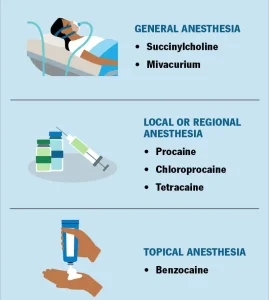
Pseudocholinesterase Deficiency is a rare genetic condition in which the body produces an abnormal or reduced amount of the enzyme pseudocholinesterase. This enzyme is responsible for breaking down certain muscle relaxants and drugs used during anesthesia, such as succinylcholine and mivacurium. People with this deficiency may experience prolonged muscle paralysis and delayed recovery from anesthesia.
The condition is usually inherited and can affect both males and females. While it does not typically cause health problems outside of surgery or exposure to certain medications, awareness of the deficiency is important for safe anesthesia management.
Symptoms
Pseudocholinesterase deficiency may not cause noticeable symptoms until exposure to specific medications. Signs typically appear during or after anesthesia with drugs that require breakdown by this enzyme.
Common symptoms include:
-
Prolonged muscle paralysis after anesthesia
-
Extended inability to breathe independently following surgery
-
Slow recovery from muscle relaxants
-
Weakness or difficulty moving voluntarily until the drug wears off
Symptoms are generally temporary and resolve once the drug is metabolized or supportive measures, such as mechanical ventilation, are provided.
Causes
Pseudocholinesterase deficiency is caused by inherited mutations in the BCHE gene, which encodes the pseudocholinesterase enzyme. These mutations result in either reduced activity or abnormal function of the enzyme.
The condition is usually inherited in an autosomal recessive pattern, meaning a person must inherit defective copies of the gene from both parents to have a significant enzyme deficiency. Carriers with only one defective gene usually have mild or no symptoms.
Risk Factors
Factors that may increase the risk of prolonged drug effects due to pseudocholinesterase deficiency include:
-
Family history of pseudocholinesterase deficiency
-
Genetic inheritance of enzyme abnormalities
-
Certain medical conditions that reduce enzyme activity, such as liver disease
-
Pregnancy, which may temporarily reduce enzyme levels
Awareness of personal or family history is important before undergoing procedures requiring anesthesia.
Complications
If pseudocholinesterase deficiency is not recognized before surgery, it can lead to complications during anesthesia.
Possible complications include:
-
Prolonged paralysis requiring extended mechanical ventilation
-
Respiratory difficulties after anesthesia
-
Delayed recovery from surgery
-
Increased risk of anxiety or stress due to inability to breathe independently
With proper monitoring and management, these complications can be avoided.
Prevention
While the genetic condition itself cannot be prevented, awareness and preparation can reduce the risk of complications.
Helpful preventive steps include:
-
Informing healthcare providers about any known family history of pseudocholinesterase deficiency
-
Avoiding drugs that rely on pseudocholinesterase for breakdown when possible
-
Undergoing preoperative genetic testing if there is a known risk
-
Ensuring anesthesia providers are prepared to manage prolonged paralysis with supportive care
With proper precautions, individuals with pseudocholinesterase deficiency can safely undergo surgery and anesthesia.
Advertisement
