
Overview
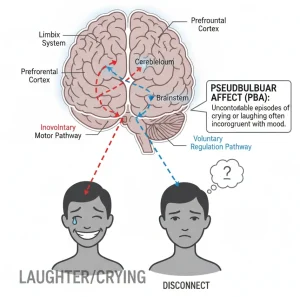
Pseudobulbar Affect is a neurological condition characterized by sudden, uncontrollable episodes of laughing or crying that are disproportionate or unrelated to the person’s actual emotions. It often occurs in individuals with neurological disorders or brain injuries, such as stroke, multiple sclerosis, amyotrophic lateral sclerosis (ALS), or traumatic brain injury.
The condition is not a mood disorder, although it can significantly impact social interactions, emotional well-being, and quality of life. Episodes may occur frequently, be intense, and sometimes embarrass the affected person.
Symptoms
Symptoms of pseudobulbar affect usually involve involuntary emotional expressions that are inconsistent with the situation.
Common symptoms include:
-
Sudden, uncontrollable episodes of laughter or crying
-
Emotional responses that are exaggerated or inappropriate to the situation
-
Rapid onset and short duration of episodes, typically lasting seconds to minutes
-
Difficulty controlling emotional responses despite feeling differently internally
-
Embarrassment or social withdrawal due to unpredictable emotional displays
The frequency and severity of episodes may vary, and symptoms can worsen with stress or fatigue.
Causes
Pseudobulbar affect occurs when there is damage to brain regions that regulate emotional expression, particularly areas controlling communication between the cortex and the brainstem.
Common causes include:
-
Stroke
-
Traumatic brain injury
-
Neurodegenerative diseases such as ALS or multiple sclerosis
-
Brain tumors
-
Other conditions affecting the central nervous system
The condition results from disrupted nerve pathways rather than a psychological disorder.
Risk Factors
Several factors may increase the likelihood of developing pseudobulbar affect:
-
History of stroke or brain injury
-
Neurodegenerative diseases such as ALS, multiple sclerosis, or Parkinson’s disease
-
Older age
-
Damage to specific brain regions responsible for emotional regulation
Not everyone with a neurological condition will develop pseudobulbar affect, but the risk is higher with significant brain involvement.
Complications
While pseudobulbar affect itself is not life-threatening, it can lead to complications affecting daily life and mental health.
Possible complications include:
-
Social embarrassment and avoidance of social situations
-
Anxiety or depression due to emotional unpredictability
-
Strain in personal or professional relationships
-
Reduced quality of life
Early recognition and management can minimize these complications.
Prevention
There is no guaranteed way to prevent pseudobulbar affect because it is related to neurological injury or disease. However, certain measures can help manage symptoms and reduce impact:
-
Prompt treatment and rehabilitation for neurological conditions such as stroke or brain injury
-
Ongoing neurological care and monitoring for progressive diseases
-
Medications to help regulate emotional responses, as prescribed by a healthcare provider
-
Counseling or therapy to develop coping strategies for social situations
With proper management, individuals with pseudobulbar affect can maintain social engagement and improve quality of life.
Advertisement
