
Overview
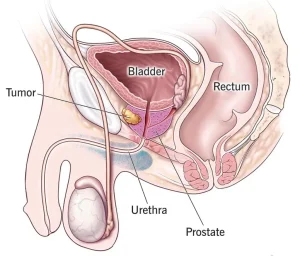
Prostate cancer is a type of cancer that develops in the prostate gland, a small gland located below the bladder in men. The prostate produces fluid that helps nourish and transport sperm during ejaculation. Prostate cancer occurs when cells in the prostate grow abnormally and form a tumor.
In many cases, prostate cancer grows slowly and may remain confined to the prostate gland for a long time. However, some forms can grow more quickly and spread to other parts of the body, such as the bones or lymph nodes. It is one of the most common cancers affecting men worldwide.
Early detection through screening and medical evaluation can significantly improve treatment outcomes. Many men with prostate cancer can be successfully treated, especially when the disease is diagnosed in its early stages.
Symptoms
Early-stage prostate cancer may not cause noticeable symptoms. When symptoms do appear, they often relate to problems with urination.
Common symptoms include:
-
Frequent urination, especially at night
-
Difficulty starting or stopping urination
-
Weak or interrupted urine flow
-
Pain or burning during urination
-
Blood in urine or semen
-
Pain in the lower back, hips, or pelvis
In advanced stages, the cancer may spread to bones and cause persistent bone pain or unexplained weight loss.
Causes
The exact cause of prostate cancer is not fully understood. The disease develops when genetic changes occur in prostate cells, causing them to grow and divide uncontrollably.
These abnormal cells can accumulate and form a tumor. Over time, some cancer cells may spread beyond the prostate gland to nearby tissues or distant parts of the body.
Researchers believe that a combination of genetic, hormonal, and environmental factors may contribute to the development of prostate cancer.
Risk factors
Several factors can increase the risk of developing prostate cancer.
-
Age, with risk increasing significantly after age 50
-
Family history of prostate cancer
-
Certain inherited genetic mutations
-
Being overweight or obese
-
Diet high in red or processed meats
Men with a close relative who has had prostate cancer may have a higher risk of developing the disease.
Complications
Prostate cancer and its treatment can lead to several complications.
Possible complications include:
-
Spread of cancer to bones or other organs
-
Urinary incontinence or loss of bladder control
-
Erectile dysfunction
-
Pain and fatigue in advanced stages
-
Emotional stress related to cancer diagnosis and treatment
The severity of complications often depends on the stage of the cancer and the type of treatment used.
Prevention
Although prostate cancer cannot always be prevented, certain lifestyle and health measures may help reduce the risk.
-
Maintain a healthy weight through regular exercise and balanced nutrition
-
Eat a diet rich in fruits, vegetables, and whole grains
-
Limit intake of high-fat and processed foods
-
Discuss prostate cancer screening with a healthcare provider, especially if there is a family history
-
Attend regular medical checkups to monitor prostate health
Early screening and awareness of symptoms can help detect prostate cancer at an early stage when treatment is most effective.
Request an appointment
Advertisement
