
Overview
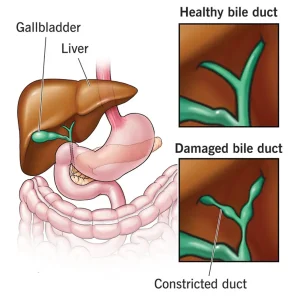
Primary sclerosing cholangitis is a chronic disease that causes inflammation and scarring of the bile ducts inside and outside the liver. Bile ducts are small tubes that carry bile, a digestive fluid produced by the liver, to the small intestine where it helps digest fats. In this condition, inflammation gradually damages these ducts, causing them to become narrow or blocked.
As bile flow becomes restricted, bile can build up in the liver and lead to progressive liver damage. Over time, this damage may cause liver scarring, known as cirrhosis, and eventually liver failure. Primary sclerosing cholangitis is a long-term condition that often progresses slowly.
The disease is often associated with inflammatory bowel diseases, especially ulcerative colitis. Although there is no cure for primary sclerosing cholangitis, medical care focuses on managing symptoms, monitoring liver health, and preventing complications.
Symptoms
In the early stages, many people with primary sclerosing cholangitis may not experience noticeable symptoms. When symptoms develop, they are often related to reduced bile flow and liver inflammation.
Common symptoms include:
-
Persistent fatigue
-
Itching of the skin
-
Abdominal pain, particularly in the upper right side
-
Fever or chills during infections of the bile ducts
-
Unexplained weight loss
As the disease progresses, additional symptoms may appear:
-
Yellowing of the skin and eyes
-
Dark urine and pale stools
-
Enlarged liver or spleen
-
Swelling in the legs or abdomen
Symptoms may develop gradually and worsen as liver damage increases.
Causes
The exact cause of primary sclerosing cholangitis is not fully understood. It is believed to involve an abnormal immune response that leads to chronic inflammation of the bile ducts.
Researchers believe several factors may contribute to the disease, including:
-
Immune system dysfunction
-
Genetic susceptibility
-
Environmental triggers such as infections or toxins
The strong association with inflammatory bowel diseases suggests that immune system abnormalities affecting the digestive tract may also play a role in the development of this condition.
Risk factors
Certain factors may increase the likelihood of developing primary sclerosing cholangitis.
-
Being male
-
Age between 30 and 50 years
-
Having inflammatory bowel disease, particularly ulcerative colitis
-
Family history of the condition
-
Certain genetic factors affecting immune function
People with inflammatory bowel disease are more likely to be monitored for signs of liver problems.
Complications
Primary sclerosing cholangitis can lead to several serious complications as the disease progresses.
Possible complications include:
-
Cirrhosis or severe liver scarring
-
Liver failure
-
Recurrent bile duct infections
-
Portal hypertension, which is increased pressure in the liver’s blood vessels
-
Deficiencies of fat-soluble vitamins
-
Increased risk of bile duct cancer or liver cancer
Regular medical monitoring is important to detect these complications early.
Prevention
There is currently no known way to prevent primary sclerosing cholangitis because its exact cause remains unclear. However, certain measures may help support liver health and reduce complications.
-
Regular medical checkups and liver function monitoring
-
Proper management of inflammatory bowel disease
-
Avoiding alcohol or limiting intake to protect the liver
-
Maintaining a balanced and nutritious diet
-
Seeking medical attention for symptoms such as persistent itching or jaundice
Early diagnosis and ongoing medical care can help manage symptoms and slow the progression of liver damage.
Advertisement
