
Overview
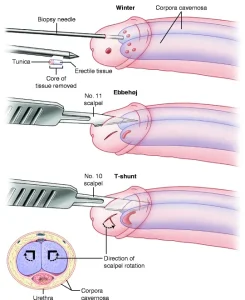
Priapism is a condition characterized by a prolonged and often painful erection of the penis that lasts for several hours and occurs without sexual stimulation. It is considered a medical emergency when the erection persists for more than four hours because it can damage penile tissue and lead to long-term complications, including erectile dysfunction.
The condition occurs when blood becomes trapped in the penis and cannot flow out properly. Priapism can affect males of any age, including children and adults. It is generally divided into two main types: ischemic priapism, which is the most common and serious form, and non-ischemic priapism, which is less common and usually less painful.
Prompt medical treatment is important to restore normal blood flow and prevent permanent damage.
Symptoms
The main symptom of priapism is a prolonged erection that continues even without sexual stimulation.
Symptoms may include:
-
An erection lasting longer than four hours
-
Painful or tender penis, especially in ischemic priapism
-
A rigid penile shaft with a soft tip in some cases
-
Swelling or discomfort in the penis
-
Persistent erection that does not go away after ejaculation
In non-ischemic priapism, the erection may be less painful and partially rigid.
Causes
Priapism occurs when blood flow in the penis becomes abnormal. Normally, blood enters the penis during sexual arousal and then flows out after the erection ends. In priapism, this process is disrupted.
Possible causes include:
-
Blood disorders such as sickle cell disease or leukemia
-
Certain medications, including antidepressants and drugs used to treat erectile dysfunction
-
Spinal cord injuries
-
Trauma to the penis, pelvis, or perineum
-
Alcohol or recreational drug use
-
Metabolic disorders
In some cases, the exact cause cannot be identified.
Risk factors
Certain conditions and lifestyle factors may increase the risk of developing priapism.
-
Blood disorders, especially sickle cell disease
-
Use of medications for erectile dysfunction
-
Use of antidepressants or antipsychotic drugs
-
Alcohol or illicit drug use
-
Spinal cord injury
-
Trauma to the genital area
Children with sickle cell disease are at a higher risk of developing this condition.
Complications
If priapism is not treated promptly, it can lead to serious complications due to prolonged lack of oxygen to penile tissues.
Possible complications include:
-
Permanent erectile dysfunction
-
Tissue damage in the penis
-
Scarring of penile tissue
-
Decreased sexual function
The longer the erection lasts without treatment, the higher the risk of permanent damage.
Prevention
Preventing priapism involves managing underlying medical conditions and avoiding known triggers when possible.
-
Proper management of blood disorders such as sickle cell disease
-
Using medications only as prescribed by a healthcare provider
-
Avoiding excessive alcohol or recreational drug use
-
Seeking medical advice if recurrent prolonged erections occur
-
Regular medical monitoring for individuals at higher risk
Anyone experiencing an erection that lasts longer than four hours should seek immediate medical attention to prevent complications and preserve normal sexual function.
Advertisement
