
Overview
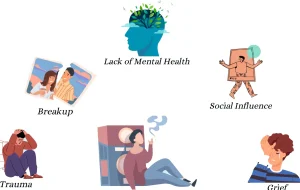
Prescription Drug Abuse occurs when a person uses prescription medications in a way that is not intended by a healthcare provider. This may include taking higher doses than prescribed, using someone else’s medication, taking the medication more frequently than directed, or using it to experience pleasurable effects rather than for medical treatment.
Prescription medications are intended to treat specific health conditions and are generally safe when used as directed. However, misuse can lead to serious health problems, addiction, and even life-threatening complications. Drugs that are commonly abused include pain relievers, sedatives, anti-anxiety medications, and stimulants.
Prescription drug abuse can affect people of all ages and backgrounds. It may begin with legitimate medical use and gradually develop into misuse or dependence. Early recognition and treatment are important to prevent long-term health and social consequences.
Symptoms
The signs of prescription drug abuse can vary depending on the type of medication involved. Changes in behavior, mood, and physical health are often noticeable.
Possible symptoms include:
-
Taking larger doses than prescribed
-
Using medication without a prescription
-
Frequent requests for prescription refills
-
Visiting multiple doctors to obtain medications
-
Mood swings or sudden behavioral changes
-
Drowsiness, confusion, or lack of concentration
-
Increased tolerance requiring higher doses for the same effect
-
Withdrawal symptoms when the drug is not taken
Some individuals may also hide medication use or become secretive about their behavior.
Causes
Prescription drug abuse can develop for many reasons. Some individuals begin using medications for legitimate medical purposes but continue using them improperly over time.
Common causes include:
-
Desire to relieve pain or anxiety more quickly
-
Seeking feelings of relaxation or euphoria
-
Curiosity or experimentation with medications
-
Self-medicating for emotional or psychological issues
-
Peer pressure or social influence
-
Lack of awareness about the risks of misuse
In some cases, long-term use of certain medications can lead to physical dependence.
Risk Factors
Certain factors may increase the likelihood of prescription drug abuse.
These include:
-
History of substance use disorders
-
Mental health conditions such as depression or anxiety
-
Easy access to prescription medications
-
Chronic pain conditions requiring long-term medication use
-
Family history of substance abuse
-
High levels of stress or emotional trauma
Teenagers and young adults may also be at increased risk due to curiosity or peer influence.
Complications
Prescription drug abuse can lead to serious health and social consequences if not addressed.
Possible complications include:
-
Drug dependence or addiction
-
Overdose, which can be life-threatening
-
Damage to organs such as the liver, heart, or brain
-
Mental health disorders such as depression or anxiety
-
Poor academic or work performance
-
Legal or financial problems
Long-term misuse may also increase the risk of using illegal drugs or other substances.
Prevention
Preventing prescription drug abuse involves responsible medication use and awareness of the risks associated with misuse.
Helpful preventive measures include:
-
Taking medications only as prescribed by a healthcare provider
-
Never sharing prescription medications with others
-
Storing medications safely to prevent misuse by others
-
Properly disposing of unused or expired medications
-
Discussing concerns about medications with a healthcare professional
-
Seeking help early if signs of misuse or dependence appear
Education, monitoring, and open communication with healthcare providers can play an important role in reducing the risk of prescription drug abuse.
Advertisement
