
Overview
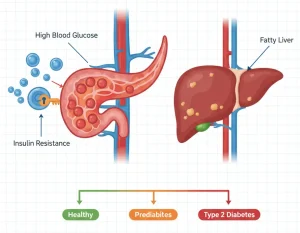
Prediabetes is a health condition in which blood sugar levels are higher than normal but not high enough to be diagnosed as diabetes. It is considered an early warning sign that the body is beginning to have difficulty managing glucose effectively. Without lifestyle changes or medical management, prediabetes can progress to type 2 diabetes.
In prediabetes, the body may become resistant to insulin or may not produce enough insulin to keep blood sugar levels within a healthy range. Insulin is a hormone that helps move glucose from the bloodstream into the body’s cells for energy. When this process becomes less effective, glucose starts to build up in the blood.
Prediabetes is very common and often develops without noticeable symptoms. Many people may have the condition for years without realizing it. Early detection and healthy lifestyle changes can significantly reduce the risk of developing type 2 diabetes, heart disease, and other health complications.
Symptoms
Prediabetes often develops without clear symptoms. Many people do not notice any physical signs until the condition progresses to diabetes. However, some individuals may experience subtle changes.
Possible signs and symptoms may include:
-
Increased thirst
-
Frequent urination
-
Unusual fatigue
-
Blurred vision
-
Darkened skin patches, especially around the neck, armpits, or groin
-
Slow healing of minor cuts or wounds
In many cases, prediabetes is detected through routine blood tests during regular health checkups.
Causes
Prediabetes develops when the body becomes less effective at using insulin, leading to higher-than-normal blood sugar levels. The exact cause is not always clear, but it is usually linked to a combination of genetic and lifestyle factors.
Common contributing factors include:
-
Insulin resistance, where body cells do not respond properly to insulin
-
Excess body weight, especially fat around the abdomen
-
Lack of regular physical activity
-
Poor dietary habits, including high intake of sugary and processed foods
-
Family history of diabetes
Over time, these factors can disrupt the body’s ability to regulate blood glucose effectively.
Risk Factors
Several factors can increase a person’s likelihood of developing prediabetes.
These include:
-
Being overweight or obese
-
Sedentary lifestyle with little physical activity
-
Family history of type 2 diabetes
-
Age over 45 years
-
History of gestational diabetes during pregnancy
-
High blood pressure or abnormal cholesterol levels
-
Polycystic ovary syndrome in women
-
Smoking
People with multiple risk factors may have a higher chance of progressing to type 2 diabetes if preventive measures are not taken.
Complications
If prediabetes is not managed properly, it can gradually progress to type 2 diabetes. Long-term high blood sugar levels can damage blood vessels and organs, increasing the risk of serious health problems.
Possible complications include:
-
Development of type 2 diabetes
-
Increased risk of heart disease
-
Stroke
-
Nerve damage
-
Kidney problems
-
Eye damage and vision issues
Even before diabetes develops, prediabetes may already begin to affect the cardiovascular system.
Prevention
Prediabetes can often be prevented or reversed with healthy lifestyle changes. Early action is important to keep blood sugar levels within a normal range and reduce the risk of developing diabetes.
Helpful preventive measures include:
-
Maintaining a healthy body weight
-
Engaging in regular physical activity such as walking, cycling, or swimming
-
Eating a balanced diet rich in vegetables, fruits, whole grains, and lean proteins
-
Limiting sugary drinks and processed foods
-
Quitting smoking
-
Managing blood pressure and cholesterol levels
-
Getting regular health checkups and blood sugar screenings
Adopting healthy habits can significantly lower the risk of progression from prediabetes to diabetes and improve overall health.
Advertisement
