
Overview
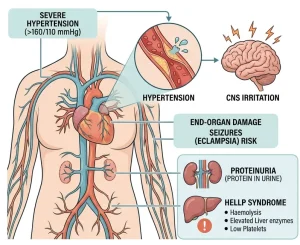
Postpartum preeclampsia is a serious medical condition characterized by high blood pressure and signs of organ damage that occur after childbirth. Unlike typical preeclampsia, which develops during pregnancy, postpartum preeclampsia appears after delivery, usually within the first 48 hours but sometimes up to several weeks later. The condition requires prompt medical attention because it can lead to life-threatening complications if untreated.
Symptoms
Symptoms of postpartum preeclampsia may develop suddenly and can include:
-
High blood pressure
-
Severe headaches
-
Changes in vision, such as blurred vision or sensitivity to light
-
Swelling of the face, hands, or legs
-
Pain in the upper abdomen, especially under the ribs on the right side
-
Nausea or vomiting
-
Shortness of breath caused by fluid in the lungs
-
Reduced urination in some cases
Causes
The exact cause of postpartum preeclampsia is not fully understood, but it is believed to be related to changes in blood vessels and blood pressure regulation associated with pregnancy. Possible contributing factors include:
-
Abnormal blood vessel function that persists after delivery
-
Hormonal changes following childbirth
-
Inflammation and vascular stress during pregnancy
-
Residual effects of preeclampsia that began during pregnancy
Risk factors
Several factors may increase the risk of postpartum preeclampsia:
-
History of high blood pressure during pregnancy
-
Previous preeclampsia or postpartum preeclampsia
-
Obesity
-
Multiple pregnancy, such as twins or triplets
-
Maternal age younger than 20 or older than 40
-
Chronic conditions such as hypertension, diabetes, or kidney disease
Complications
If not treated promptly, postpartum preeclampsia can lead to serious complications:
-
Eclampsia, which involves seizures
-
Stroke due to severely elevated blood pressure
-
Pulmonary edema, or fluid accumulation in the lungs
-
Blood clotting problems
-
Organ damage affecting the liver, kidneys, or brain
Prevention
Although postpartum preeclampsia cannot always be prevented, certain measures may help reduce risk and support early detection:
-
Regular monitoring of blood pressure after childbirth
-
Following medical advice for managing high blood pressure during and after pregnancy
-
Maintaining a healthy lifestyle, including balanced nutrition and appropriate physical activity after recovery from delivery
-
Attending postpartum checkups to detect warning signs early
-
Seeking immediate medical care if symptoms such as severe headache, vision changes, or swelling develop after delivery
Early recognition and timely medical treatment are essential to prevent severe complications and ensure a safe recovery after childbirth.
Advertisement
