
Overview
Post-Traumatic Stress Disorder (PTSD) is a mental health condition triggered by experiencing or witnessing a traumatic event, such as accidents, natural disasters, war, assault, or abuse. PTSD can affect anyone, regardless of age or background, and can lead to persistent emotional distress, difficulty functioning in daily life, and changes in behavior and cognition. Early diagnosis and treatment are important to reduce symptoms and improve quality of life.
Symptoms
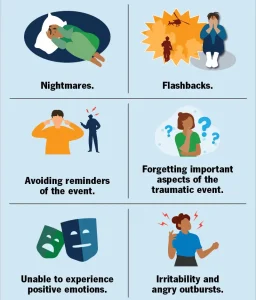
PTSD symptoms can vary but generally fall into four categories:
-
Intrusive memories: Flashbacks, distressing dreams, or unwanted thoughts about the traumatic event
-
Avoidance: Avoiding places, people, or activities that remind the individual of the trauma
-
Negative changes in thinking and mood: Feeling detached, hopeless, or emotionally numb; difficulty experiencing positive emotions
-
Changes in physical and emotional reactions: Irritability, anger outbursts, hypervigilance, difficulty sleeping, and difficulty concentrating
Causes
PTSD develops when the brain’s normal stress response is overwhelmed by a traumatic event. Contributing factors include:
-
Experiencing life-threatening or severely distressing events
-
Personal or family history of mental health disorders
-
Lack of social support during or after the traumatic experience
-
Intense or prolonged exposure to trauma
Risk factors
Certain factors increase the risk of developing PTSD:
-
Experiencing trauma at a young age
-
Exposure to repeated or severe trauma, such as military combat or chronic abuse
-
Previous mental health conditions, such as anxiety or depression
-
Limited social support networks
-
Female gender, as women are statistically more likely to develop PTSD after trauma
Complications
If left untreated, PTSD can lead to multiple complications:
-
Depression and anxiety disorders
-
Substance abuse or dependency
-
Suicidal thoughts or behaviors
-
Difficulty maintaining relationships and employment
-
Physical health issues, such as heart disease or chronic pain, due to stress
Prevention
While PTSD cannot always be prevented, steps can reduce its severity or likelihood:
-
Seeking immediate support after traumatic events
-
Engaging in therapy, such as cognitive-behavioral therapy (CBT) or trauma-focused therapy
-
Building strong social support networks
-
Practicing stress management techniques, including relaxation exercises and mindfulness
-
Early intervention for symptoms of anxiety or depression following trauma
Timely recognition, professional support, and consistent treatment can help individuals with PTSD manage symptoms, regain function, and improve overall well-being.
Advertisement
