
Overview
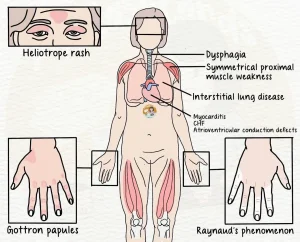
Polymyositis is a rare inflammatory muscle disease that causes progressive muscle weakness, primarily affecting the skeletal muscles responsible for movement. It is an autoimmune condition, where the body’s immune system attacks muscle fibers, leading to inflammation, pain, and reduced muscle function. Polymyositis can affect adults of any age but is most commonly seen in individuals over 30. Early diagnosis and treatment are crucial to prevent long-term disability.
Symptoms
The main symptoms of polymyositis include:
-
Progressive weakness in the muscles closest to the trunk, such as hips, thighs, shoulders, and upper arms
-
Difficulty rising from a chair, climbing stairs, or lifting objects
-
Muscle pain or tenderness
-
Fatigue and general weakness
-
Swallowing difficulties if throat muscles are affected
-
Shortness of breath in rare cases due to respiratory muscle involvement
Causes
Polymyositis is considered an autoimmune disorder, though the exact trigger is unknown. Possible contributing factors include:
-
Abnormal immune response targeting healthy muscle tissue
-
Genetic predisposition in some individuals
-
Viral or bacterial infections that may trigger immune activation
Risk factors
Factors that increase the risk of polymyositis include:
-
Age between 30 and 60, more common in adults
-
Female gender, as women are more frequently affected
-
Personal or family history of autoimmune diseases
-
Certain environmental exposures or infections
Complications
Polymyositis can lead to serious complications if not managed effectively:
-
Muscle wasting and permanent weakness
-
Difficulty swallowing (dysphagia) leading to malnutrition or aspiration pneumonia
-
Respiratory problems if chest muscles are involved
-
Increased risk of other autoimmune conditions or inflammatory disorders
-
Rarely, cardiac involvement causing arrhythmias or heart muscle inflammation
Prevention
While polymyositis cannot be fully prevented, early detection and proper management can reduce complications:
-
Regular medical checkups for individuals with muscle weakness or fatigue
-
Prompt evaluation of persistent muscle pain or difficulty with daily activities
-
Following prescribed treatment plans, including corticosteroids or immunosuppressive medications
-
Engaging in gentle, supervised physical therapy to maintain muscle strength and flexibility
Early intervention in polymyositis improves quality of life and reduces the risk of severe muscle damage and functional limitations.
Advertisement
