
Overview
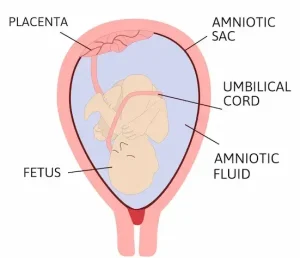
Polyhydramnios is a medical condition during pregnancy characterized by an excessive accumulation of amniotic fluid surrounding the baby in the uterus. This fluid is essential for fetal development, cushioning the baby and allowing movement, but too much can lead to complications for both mother and child. Polyhydramnios can develop gradually or suddenly and is usually diagnosed during routine prenatal ultrasounds.
Symptoms
Mild cases of polyhydramnios may not cause noticeable symptoms, but moderate to severe cases can present:
-
Rapid increase in abdominal size
-
Feeling of tightness or heaviness in the abdomen
-
Difficulty breathing due to pressure on the diaphragm
-
Swelling in the lower extremities
-
Discomfort or abdominal pain
-
Preterm contractions in some cases
Causes
Polyhydramnios can be caused by several factors, often related to maternal or fetal conditions:
-
Maternal diabetes, especially poorly controlled gestational diabetes
-
Fetal congenital anomalies, such as gastrointestinal obstructions or neurological disorders
-
Twin-to-twin transfusion syndrome in multiple pregnancies
-
Infections during pregnancy
-
Idiopathic cases where no clear cause is identified
Risk factors
Certain factors increase the likelihood of developing polyhydramnios:
-
Diabetes during pregnancy
-
Multiple pregnancies (twins, triplets)
-
Previous history of polyhydramnios
-
Maternal infections during pregnancy
-
Fetal anomalies detected in prenatal screening
Complications
If not managed, polyhydramnios can lead to maternal and fetal complications, including:
-
Preterm labor
-
Placental abruption (early separation of the placenta)
-
Umbilical cord prolapse
-
Difficulty during labor due to overdistended uterus
-
Increased risk of cesarean delivery
-
Fetal malposition or distress
Prevention
While not all cases of polyhydramnios can be prevented, the following measures may reduce risk:
-
Regular prenatal checkups with monitoring of amniotic fluid levels
-
Proper management of maternal diabetes and other chronic conditions
-
Early detection and treatment of maternal infections
-
Ultrasound monitoring for women with multiple pregnancies or known fetal anomalies
-
Following healthcare provider recommendations for lifestyle, diet, and medications during pregnancy
Polyhydramnios requires careful monitoring by healthcare professionals to ensure the safety of both mother and baby. Early detection and management can help reduce the risk of complications and support a healthier pregnancy outcome.
Advertisement
